धीरे-धीरे पढ़ें
Hedgehogs Make Cute but Challenging Pets
Hedgehogs have become increasingly popular as exotic pets in recent years. However, before bringing one home, it is important to understand their special care requirements and natural behaviors.
Wyatt Mason
रचनाकार
याद रखें
नीचे पूरी रचना पढ़ें और अपने लिए उपयोगी बात चुनें।
अनुभाग
सकारात्मक विचार
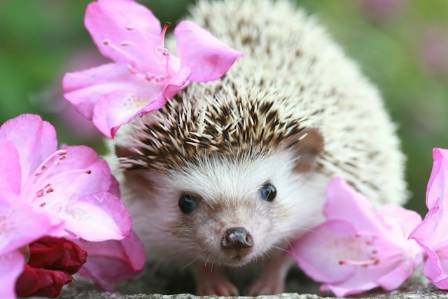
Hedgehogs have become increasingly popular as exotic pets in recent years. However, before bringing one home, it is important to understand their special care requirements and natural behaviors.
While wild European hedgehogs can be found roaming gardens across the United Kingdom and other regions, the hedgehog commonly kept as a pet is usually the African pygmy hedgehog (Atelerix albiventris), according to Dr. Krista Keller, a veterinarian at the University of Illinois Veterinary Teaching Hospital and a board-certified specialist in zoological medicine.
Hedgehog Diet and Living Environment
In their natural habitat, hedgehogs consume a varied diet that includes insects, plants, roots, and other small food sources. Recreating this diet in captivity can be difficult, so a specially designed hedgehog or insectivore food is often the best option.
Dr. Keller explains that commercially prepared hedgehog diets can be supplemented with occasional treats such as mealworms, crickets, fruits, and vegetables to provide additional variety.
Although hedgehogs may appear round and slow-moving, they are actually very active animals. Wild hedgehogs can travel several miles in a single night and are capable climbers and swimmers. Pet hedgehogs need enough space to exercise, explore, and search for food naturally.
A suitable enclosure should include an exercise wheel, smooth walls to prevent climbing escapes, and a sheltered area where the hedgehog can sleep. A minimum enclosure size of about 2 feet by 3 feet is recommended, and large plastic storage containers can work well as housing options.
Because hedgehogs originate from warm tropical regions, maintaining the correct temperature is essential. Their enclosure should include a reliable heat source, such as an under-tank heater or heat lamp, along with several thermometers to monitor conditions. Temperatures between 75 and 85 degrees Fahrenheit are ideal. If the environment becomes too cold or too hot, a hedgehog may enter a low-energy state called torpor.

Hedgehog Activity Patterns
Hedgehogs are nocturnal animals, meaning they sleep during the daytime and become active at night. Their active period usually begins around the time people are eating dinner, making evening hours a good opportunity for interaction before bedtime.
However, their nighttime habits can create challenges for owners. Running on an exercise wheel can produce considerable noise, so placing their enclosure in a bedroom may not be ideal.
Exercise wheels should always have a solid running surface rather than a wire bottom, as wire designs can cause serious injuries such as broken legs.
Many pet hedgehogs become overweight because they do not receive enough activity. Providing supervised time outside their enclosure for exploration or swimming several hours each week can help maintain their health and fitness.
Hedgehog Social Behavior and Handling
Hedgehogs are naturally solitary creatures and should generally be housed alone. In the wild, they only interact with others during the breeding season.
Their independent nature means they may require patience before becoming comfortable with humans. With regular, gentle handling, owners can gradually build trust with their hedgehog.
Dr. Keller notes that hedgehogs obtained from breeders at a young age may be easier to socialize, although individual personalities vary.
When first bringing a hedgehog home, owners should allow the animal several days to adjust without excessive handling. Once the hedgehog becomes comfortable in its new environment, gentle interaction can begin during nighttime hours when it is awake.
Handling should focus on helping the hedgehog become familiar with human scent and touch. Since frightened hedgehogs may bite, slow and careful socialization is important.
Hedgehog Health Care
Like all companion animals, hedgehogs require regular veterinary care. Annual checkups help detect possible health problems before they become serious.
After adopting a hedgehog, an initial veterinary examination is recommended to check for internal parasites and external parasites such as mites.
Hedgehogs can develop various health issues, including certain cancers and heart conditions. Regular veterinary visits and early diagnosis can improve their chances of living a longer and healthier life.
Female hedgehogs are especially at risk of developing uterine tumors, which can be life-threatening. For this reason, Dr. Keller recommends spaying female hedgehogs as a preventive measure.
With proper nutrition, suitable housing, regular exercise, and appropriate medical care, pet hedgehogs typically live around five years, and some individuals may survive beyond eight years.
अगला सहारा

पेड़ को फिर से हाइड्रेट कैसे करें: पानी की कमी वाले पेड़ को ठीक करना
गगन

स्मार्ट होम क्या है? वो सब कुछ जो आपको जानना चाहिए
ईशा

अपने सपनों का घर बनाना: शुरुआत करने के लिए 10-चरणीय गाइड
कायरा

महिलाओं के लिए आदर्श घड़ी चुनने के लिए एक व्यापक मार्गदर्शिका
हरिदास अर्जुन कार्की

आंतरिक स्थानों को रूपांतरित करना: बड़े आकार की दीवार कला के लिए एक मार्गदर्शिका
काव्या ठाकर

Global Wonders: A Guide to the World’s Most Stunning Streets
Caleb Daniel Prescott