← मुख्य पन्ना2 मिनट का पाठ
धीरे-धीरे पढ़ें
How Subways Function
In many global metropolises, subways are deeply woven into the fabric of urban life. In cities like Paris, London, and New York, it's hard to imagine daily routines without underground transit. Paris's Métro has a station within 500 meters of every building. London's Underground spans over 270 stations, and New York boasts more than 450 stations across 240 square miles. Although the tracks and tunnels lie hidden, their presence is felt everywhere above ground. A Long-Standing Urban Fixture
J
Jake Morgan
रचनाकार
याद रखें
नीचे पूरी रचना पढ़ें और अपने लिए उपयोगी बात चुनें।
अनुभाग
सकारात्मक विचार
In many global metropolises, subways are deeply woven into the fabric of urban life. In cities like Paris, London, and New York, it's hard to imagine daily routines without underground transit. Paris's Métro has a station within 500 meters of every building. London's Underground spans over 270 stations, and New York boasts more than 450 stations across 240 square miles. Although the tracks and tunnels lie hidden, their presence is felt everywhere above ground.
A Long-Standing Urban Fixture
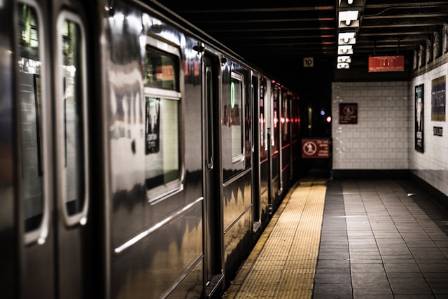
Subway systems have been part of these cities for well over a century. The London Underground began in 1863, setting the stage for other major cities. Paris opened its Métro in 1900, followed by New York City’s system in 1904. These systems emerged at roughly the same time in response to a shared problem: rapidly growing urban populations overwhelmed surface streets.
The Impact of the Industrial Revolution
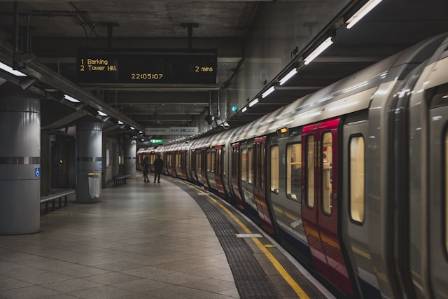
The population boom was fueled by the Industrial Revolution in the 18th and 19th centuries. Technological advances drew people from rural farms to city factories in search of work. Immigration also played a major role, especially in the United States. For instance, New York City's population surged from under one million in 1870 to nearly 3.5 million by the turn of the century.
Overcrowded Streets and Limited Space
As more people moved in, cities became increasingly congested. New York, hemmed in by the East and Hudson Rivers, had little room to grow outward. Streets were clogged with carriages, carts, and early automobiles. Navigating the city became difficult and dangerous, hindering commerce and daily life.
Early Attempts at Mass Transit
Before subways, cities relied on above-ground transit like horse-drawn omnibuses. These vehicles shared roads with regular traffic and quickly became ineffective. Overcrowding, slow travel, and unhygienic conditions made them an imperfect solution. In some cases, frustrations led to conflicts among passengers.
Going Underground: A Radical Solution
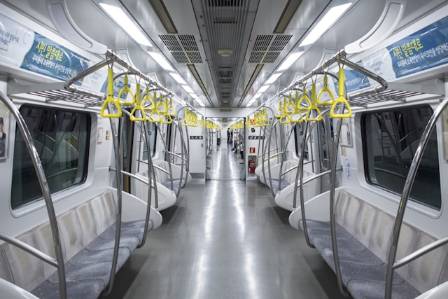
London’s leaders realized that to keep the city functioning, they needed an entirely new approach. With surface space exhausted, the answer lay underground. Tunneling offered a way to move large numbers of people quickly and efficiently. Inspired by London, other cities adopted similar systems.
A Global Transit Revolution
Today, more than 160 subway systems operate around the globe. Many were developed to cope with growing populations, pollution, and urban sprawl. Though each system is unique, they all share the same purpose: providing fast, reliable transportation beneath the city streets.
What It Takes to Build a Subway
Constructing subways, especially the early ones, was a complex and demanding endeavor. From digging tunnels to installing tracks and stations, each step required careful planning and innovation. The next section explores how these massive underground systems come to life.
अगला सहारा

· hi
दुनिया के 9 सबसे बेहतरीन सूर्यास्त
भुवन

· hi
क्या माउंट एवरेस्ट पर चढ़ना आपको खुश करेगा? या क्या "शोर" आपके रास्ते में आएगा?
सरिता

· hi
सारा एवर्स कॉनराड
अमन

· hi
प्रीमियम लेदर फुटवियर चुनने के लिए आधुनिक सज्जन की गाइड
मनोहर लाल कसौधन

· hi
बकेट लिस्ट: 6 सर्वश्रेष्ठ मोटर रेस आपको व्यक्ति में देखने की जरूरत है
मायरा

· en
The Indoor Eden: A Complete Guide to Thriving Houseplants
Felix Austin