धीरे-धीरे पढ़ें
How to Grow and Care for Hydrangeas
Hydrangeas are among the most eye-catching plants found in gardens and floral arrangements. Their large, abundant flower clusters add elegance and charm to outdoor spaces and indoor decorations. With the right growing conditions and proper care, cultivating hydrangeas in your garden can be simple and rewarding.
Wesley Grant
रचनाकार
याद रखें
नीचे पूरी रचना पढ़ें और अपने लिए उपयोगी बात चुनें।
अनुभाग
सकारात्मक विचार
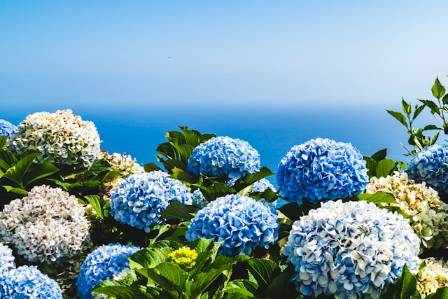
Hydrangeas are among the most eye-catching plants found in gardens and floral arrangements. Their large, abundant flower clusters add elegance and charm to outdoor spaces and indoor decorations. With the right growing conditions and proper care, cultivating hydrangeas in your garden can be simple and rewarding.
How to Choose the Right Hydrangea
When searching through plant collections and gardening catalogs, you will find a wide variety of hydrangeas available. New species and improved cultivars continue to appear, but most garden hydrangeas grown in the United States belong to several main groups.
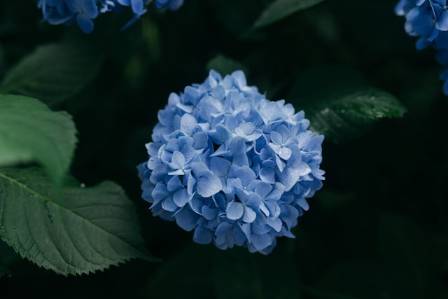
Bigleaf hydrangea (Hydrangea macrophylla) is one of the most beloved types because of its large, rounded “mophead” flowers. These blooms are available in many colors, including white, soft pink, bright blue, purple, and deep red. Some varieties also produce elegant lacecap-style flowers with flatter flower clusters.
Panicle hydrangea, also called grandiflora hydrangea (Hydrangea paniculata), produces large cone-shaped flower heads. The blooms often begin as white or cream and gradually develop pink, strawberry, or green tones. This variety is especially valued by gardeners in colder regions because of its excellent hardiness.
Smooth hydrangea (Hydrangea arborescens) has long been admired for its large, rounded white flower clusters. Modern cultivars of this North American native plant are available in shades of cream, green, pink, and mauve.
Oakleaf hydrangea (Hydrangea quercifolia) is another North American native. It features leaves shaped like oak foliage that turn attractive bronze and burgundy shades in autumn. Its cone-like flowers change from white to deeper rosy colors as they mature.
Mountain hydrangea (Hydrangea serrata) resembles bigleaf hydrangea but has smaller blooms. Its flowers may appear as lacecaps or mopheads and range from white to vibrant purple shades.
Each hydrangea category includes many different varieties, so it is important to consider the mature size before planting. Some newer cultivars are bred for compact gardens and may only grow 2 to 3 feet tall and wide, while larger varieties can eventually reach 20 feet or more. Always select a plant that will remain suitable for its location as it grows.
How to Plant Hydrangeas
The ideal planting season for hydrangeas depends on your climate. In areas with cold winters, early autumn planting is recommended before freezing temperatures arrive, although spring planting is also possible. In regions with mild winters, planting in fall allows the roots to establish before the heat of summer.
Hydrangeas grow best in areas with partial shade. Strong stems and plentiful flowers usually develop when plants receive about four to six hours of morning sunlight followed by afternoon shade. Northern climates with weaker sunlight may require less shade, while southern regions often need more protection from intense heat.
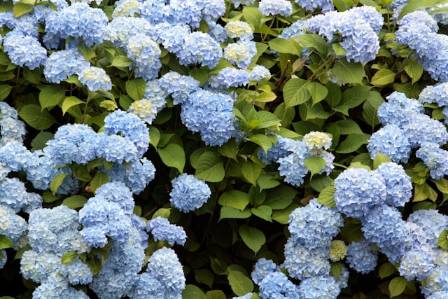
These plants prefer moist, well-draining soil. Adding organic material or garden gypsum can improve heavy clay soils. For certain varieties, especially bigleaf hydrangeas, soil acidity can influence flower color. More acidic soil often produces blue flowers, while alkaline conditions encourage pink tones. Natural soil conditions may create unique combinations of purple, pink, and blue shades.
When planting, keep the hydrangea in its container while preparing the hole to protect the roots. Dig a hole slightly shallower than the depth of the nursery pot but two to three times wider. Remove the pot and place the root ball in the center, keeping the top slightly above the surrounding soil level.
Because hydrangeas have shallow root systems, avoid planting them too deeply. Add soil beneath the root ball if necessary, then fill the hole halfway and water thoroughly. Using a plant starter can help reduce transplant stress, while adding a balanced organic fertilizer can provide essential nutrients for healthy growth.
Complete filling the planting hole, water again, and apply a 1- to 2-inch layer of mulch such as compost or pine straw. Mulch helps conserve moisture and protects the shallow roots from temperature changes.
How to Care for Hydrangeas
Hydrangeas require consistent moisture to remain healthy. Their name is often associated with water, and proper hydration is one of the most important factors in successful growth. Keep the soil evenly moist but avoid allowing it to become waterlogged or completely dry.
During periods of high temperatures or limited rainfall, increase watering frequency, especially for young plants during their first few years after planting.
Regular feeding throughout the growing season encourages stronger growth and larger flower displays. A suitable flower fertilizer can provide nutrients that support continuous blooming.
Hydrangeas may occasionally experience fungal problems, including dark leaf spots, brown patches, white fungal growth, or holes in leaves. Prevention is the best approach. Proper airflow, healthy watering habits, and appropriate fungicide treatments can help control issues such as leaf spot and rust. Apply treatments to the foliage rather than directly onto the flowers.
Some leaf damage may also be caused by insects. Pests such as Japanese beetles and other unwanted garden insects can weaken plants. Use suitable insect control products when necessary, especially for targeted treatment of affected plants.
Certain sulfur-based treatments can also help manage several hydrangea problems, including leaf spot, botrytis blight, powdery mildew, and spider mites.
How to Prune Hydrangeas
Successful hydrangea pruning depends largely on timing. Panicle and smooth hydrangeas produce flowers on new growth that develops in spring. These varieties should be pruned before new growth begins. Panicle hydrangeas can be reduced by about half, while smooth hydrangeas can be cut back to approximately 18 inches. This encourages fresh stems and more abundant flowers.
Other hydrangea varieties bloom on older stems from the previous growing season. These should be pruned immediately after flowering finishes. Delaying pruning too long may remove next year’s flower buds.
Some hydrangeas produce flowers on both old and new growth, creating a second blooming period during summer. These repeat-blooming varieties usually require little pruning. Dead or damaged branches can be removed whenever necessary.
Pruning season is also an excellent time to create new plants from cuttings. Hydrangeas root easily, allowing gardeners to expand their collection.
How to Keep Hydrangea Flowers Fresh Longer
Many gardeners leave hydrangea flowers outdoors through winter, but these blooms also make beautiful indoor decorations. Fresh-cut flowers and dried arrangements can both preserve the beauty of hydrangeas.
For fresh arrangements, wait until flowers are fully mature and the petals have developed a slightly papery texture. Older blooms generally last longer after cutting.
Harvest flowers early in the morning before sunlight and heat cause dehydration. Prepare a container of warm water and place cut stems into the water immediately after harvesting.
Before arranging, remove extra leaves and recut the stems underwater to prevent air bubbles from blocking water absorption. Keep the vase in a cool location away from direct sunlight to extend the life of the flowers.
For dried decorations, allow flowers to remain on the plant until they develop attractive antique green and pink tones. Harvest the blooms as they begin aging, then hang them upside down in a dark, cool place until completely dry.
Enjoying Beautiful Hydrangeas for Years
Whether you choose bigleaf, panicle, smooth, oakleaf, or mountain hydrangeas, these plants can provide years of beauty with their impressive flowers and attractive foliage. With proper planting, watering, feeding, and pruning, hydrangeas can become a lasting highlight in any garden landscape.