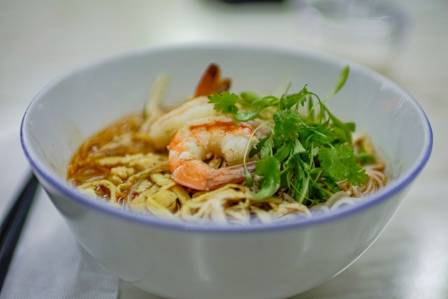
In December 2025, the global culinary community turned its attention to Vietnam as Taste Atlas, the renowned "world food map," unveiled its 2026 ranking of the Top 100 Best Noodle Dishes. Among the honorees, two beloved rustic specialties from Da Nang—Quang noodles and Cao Lau—secured their spots, marking another milestone for Vietnamese cuisine’s rising global reputation. This recognition is more than just a nod to their delicious flavors; it’s a celebration of the cultural heritage, traditional craftsmanship, and regional identity woven into every bowl. For Da Nang, a vibrant coastal city in central Vietnam, the inclusion of these dishes is both a source of local pride and a powerful invitation for travelers worldwide to explore its culinary and cultural treasures.
Taste Atlas: The Authority Behind Global Culinary Rankings
Taste Atlas has established itself as the gold standard for culinary rankings, earning trust through its rigorous evaluation process that combines in-depth research with feedback from a global community of food lovers and travelers. Unlike arbitrary lists, its rankings are built on a dual foundation: expert analysis of ingredients, preparation techniques, and cultural significance, paired with genuine reviews from diners who seek authentic local experiences. The platform’s influence extends far beyond food enthusiasts—its lists often become travel guides, directing millions of tourists to hidden culinary gems and elevating the profiles of lesser-known regional cuisines. For Vietnamese dishes to consistently appear in these rankings, as they have in 2026, is a testament to the country’s ability to preserve traditional flavors while resonating with international palates. As Taste Atlas notes, the best dishes are those that tell a story, and Vietnam’s noodles—rooted in centuries of history and community—do just that.
Quang Noodles: Da Nang’s Golden Thread of Flavor
Quang noodles, or "mi Quang" in Vietnamese, is more than a meal; it’s a cultural icon that has shaped Da Nang’s culinary landscape for generations. What sets this dish apart is its striking appearance: wide, flat rice noodles cooked to a golden hue, served in a rich, aromatic broth that balances savory depth with subtle herbal notes. The broth, often simmered for hours with pork bones, dried shrimp, and a blend of local spices, forms the backbone of the dish, while toppings like tender grilled pork, crispy roasted peanuts, fresh herbs (mint, cilantro, and perilla), and delicate grilled rice paper add layers of texture and taste. Unlike soupy noodles from other regions, Quang noodles strike a perfect balance between broth and solids, allowing each component to shine without overwhelming the others. For Da Nang locals, this dish is a staple of daily life—enjoyed for breakfast at street stalls, served at family gatherings, and offered to guests as a symbol of hospitality. Its simplicity belies a complexity of flavor honed over time, reflecting the city’s laid-back yet passionate spirit. Even as Da Nang evolves into a modern tourist hub, Quang noodles remain a constant, a reminder of the city’s agricultural roots and respect for traditional cooking.
Cao Lau: The Unmistakable Taste of Hoi An’s Legacy
While Quang noodles embody Da Nang’s coastal energy, Cao Lau carries the soul of Hoi An, the nearby ancient port city whose culinary traditions have been shaped by centuries of international trade. What makes Cao Lau truly unique is its chewy, springy rice noodles, made using a traditional process that locals guard closely—some even credit the use of Hoi An’s ancient well water for the noodles’ distinctive texture. The dish is topped with succulent braised pork, marinated in a sweet and savory sauce that infuses the meat with layers of flavor, along with fresh herbs, bean sprouts, and a sprinkle of crushed peanuts. Unlike many noodle dishes, Cao Lau is served with minimal broth, allowing the natural taste of the noodles and toppings to take center stage. What makes it irreplaceable is its adherence to tradition: despite modernization, authentic Cao Lau is still made using time-honored techniques, from hand-pressing the noodles to slow-braising the pork. For travelers, a bowl of Cao Lau is more than a meal—it’s a taste of Hoi An’s history, a blend of Vietnamese, Chinese, and Japanese influences that define the city’s cultural identity. It’s no wonder that it has become a must-try for anyone visiting Da Nang and its surrounding areas, a dish that lingers in memory long after the last bite.
Vietnam’s Noodle Matrix: A National Tapestry of Flavors
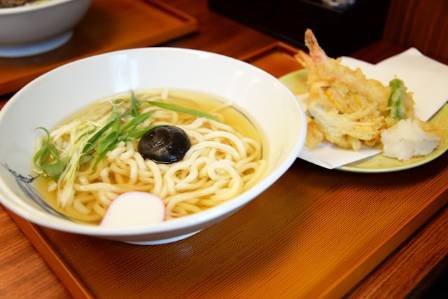
Quang noodles and Cao Lau are not alone in representing Vietnam on Taste Atlas’s 2026 list—they are part of a diverse family of Vietnamese noodle dishes that showcase the country’s regional diversity. Pho, Vietnam’s most famous export, needs no introduction: the fragrant beef or chicken broth, delicate rice noodles, and fresh herbs have won hearts worldwide, embodying the subtlety and balance of northern Vietnamese cuisine. Bun cha, Hanoi’s beloved grilled pork noodle dish, offers a smoky contrast, with tender pork skewers served alongside cool rice noodles and a tangy fish sauce dipping broth. Bun bo Nam Bo, a fiery specialty from the south, brings heat and bold flavors, with spicy beef broth, thick rice noodles, and a medley of herbs and vegetables. Other honorees include bun rieu (crab noodle soup), with its sweet and savory seafood broth; hu tieu (wheat noodles), often served with pork and shrimp in a rich broth; and banh da cua (crab rice cakes), a unique twist on noodle dishes from the Mekong Delta. Each of these dishes tells a story of its region: northern Vietnam’s mild, elegant flavors, central Vietnam’s bold, spicy profiles, and southern Vietnam’s sweet, aromatic creations. Together, they form a culinary tapestry that highlights Vietnam’s agricultural abundance and cultural diversity, proving that the country’s food is far more than just pho—it’s a celebration of place and tradition.
Gastronomy as Tourism: Da Nang’s Rising Star
The inclusion of Quang noodles and Cao Lau in Taste Atlas’s Top 100 is a game-changer for Da Nang’s tourism industry, which has long been known for its stunning beaches and historical sites. According to the Da Nang Department of Culture, Sports and Tourism, culinary tourism has become a key driver of growth, with 93.1% of travelers citing food as a crucial factor in their trip planning—a global trend that Vietnam has embraced wholeheartedly. For Da Nang, this recognition is an opportunity to showcase not just its natural beauty, but its cultural depth, inviting travelers to engage with local life through food. Already, the city welcomes over two million overseas tourists annually, with Chinese visitors making up a quarter of that number—and dishes like Quang noodles and Cao Lau are becoming powerful ambassadors. Local restaurants and street stalls are seeing increased interest, while culinary tours that teach visitors how to make these dishes are growing in popularity. Beyond boosting tourism revenue, the ranking also honors local chefs and food vendors, many of whom have dedicated their lives to preserving traditional recipes. It’s a reminder that food is more than sustenance—it’s a bridge between cultures, a way for travelers to connect with Da Nang’s people and history on a deeper level.
Savoring Da Nang: A Culinary Journey Worth Taking
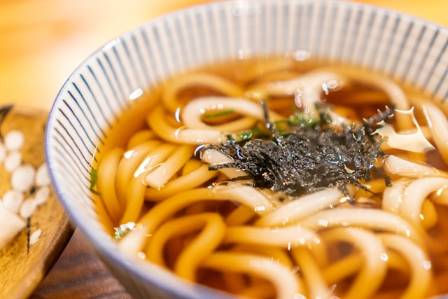
For anyone planning a trip to Da Nang, exploring its noodle culture is an essential part of the experience. Whether you’re sitting at a plastic table outside a street stall in the morning, watching a vendor hand-press Cao Lau noodles, or savoring a bowl of Quang noodles with a view of the Han River, each meal offers a window into the city’s soul. These rustic dishes are not fancy or elaborate, but they are made with care, using fresh, local ingredients and techniques passed down through generations. They tell stories of farmers tending to rice fields, fishermen bringing in their catch, and families gathering around the table—stories that make travel meaningful. As Vietnam’s cuisine continues to gain global acclaim, Da Nang stands out as a destination where food is not just a side attraction, but the heart of the journey. So next time you’re in this coastal city, follow your taste buds: order a bowl of Quang noodles or Cao Lau, savor each bite, and let the flavors of Da Nang leave their mark on you.