धीरे-धीरे पढ़ें
Why Evening Workouts May Offer Distinct Advantages for Glucose Control
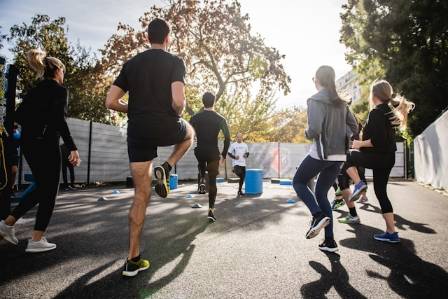
Regular physical activity operates alongside dietary adjustments and medical prescriptions to stabilize blood glucose levels. While engaging in movement at any point during the day provides health benefits, emerging data indicates that physical exertion scheduled later in the day may yield the most pronounced improvements.
Julian Stewart
रचनाकार
याद रखें
नीचे पूरी रचना पढ़ें और अपने लिए उपयोगी बात चुनें।
अनुभाग
सकारात्मक विचार
Regular physical activity operates alongside dietary adjustments and medical prescriptions to stabilize blood glucose levels. While engaging in movement at any point during the day provides health benefits, emerging data indicates that physical exertion scheduled later in the day may yield the most pronounced improvements.
A comprehensive review of clinical data suggests that afternoon or evening physical activity may optimize glycemic control for individuals navigating type 2 diabetes. Exercising during these later windows is frequently linked to enhanced insulin sensitivity, meaning the body can more efficiently process sugar circulating in the bloodstream. Conversely, early morning sessions do not appear to offer the same level of effectiveness.
A two-week study tracking men with type 2 diabetes engaged in high-intensity interval training mirrored these findings. Participants who performed their routines in the afternoon achieved noticeably improved glucose metrics, whereas those training in the morning experienced an opposing trend.
Two primary physiological mechanisms help explain why late-day workouts may be superior for glucose management. First, cortisol levels naturally peak during the early hours of the day. This hormonal surge prompts the liver to release stored sugars, which elevates blood glucose. Because morning exercise can amplify cortisol production further, it may hinder the immediate reduction of blood sugar. Second, the timing of meals plays a major role. Physical movement executed shortly after eating is highly effective at blunting post-meal glucose spikes. Because individuals training first thing in the morning often do so on an empty stomach, they miss out on this specific protective benefit.

The Immediate and Lasting Mechanisms of Exercise on Blood Sugar
While late-day routines may offer a slight edge, consistent physical movement provides substantial metabolic support in both the short and long term.
During a workout and in the hours immediately following, the body experiences rapid metabolic shifts. As muscles contract during exertion, they directly utilize circulating glucose for energy without relying heavily on insulin. This movement also triggers a temporary surge in insulin sensitivity, allowing cells to draw sugar out of the bloodstream with greater ease. The glucose-lowering impact of a single training session can persist for up to a full day afterward.
However, certain high-intensity activities that stimulate an adrenaline response, such as heavy weightlifting or short sprints, can cause a brief, temporary spike in blood sugar. Clinical data show that intense interval training can elevate glucose levels for about an hour post-workout, though the overall metabolic benefits still remain intact for the subsequent 24 hours.
Over extended periods, maintaining a dedicated fitness routine remodels how the body handles glucose. Consistent training permanently enhances cellular responsiveness to insulin, which facilitates steadier daily blood sugar levels. This habit also reduces hemoglobin A1c metrics, which reflect a person’s average glucose control over a two- to three-month duration. Furthermore, building physical strength increases overall muscle mass. Because skeletal muscle absorbs the vast majority of dietary sugars after eating, increasing this tissue mass helps lower baseline blood sugar over time. Finally, routine exercise supports weight management, which simplifies long-term glucose regulation.

Implementing a Structured and Secure Fitness Routine
To achieve these health benefits, medical guidelines recommend accumulating 150 minutes of moderate-intensity cardiovascular movement each week. For optimal results, this activity should be distributed across multiple shorter sessions throughout the week, avoiding more than two consecutive rest days.
A well-rounded fitness regimen can incorporate various training styles. Aerobic exercises like brisk walking, swimming, cycling, and jogging are excellent for driving down blood sugar, and individuals can gradually introduce higher intensities as their endurance improves. Resistance training is equally valuable, as lifting weights or performing bodyweight exercises helps combat insulin resistance, reduces fat tissue, and stabilizes glucose. Gentle practices like yoga and tai chi also contribute to overall well-being by improving balance, flexibility, and quality of life.
Prioritizing safety is essential when managing diabetes through exercise. Individuals should consult with a physician before starting a new regimen to ensure the plan aligns with their health status. It is also wise to test blood sugar before starting; exercising may not be safe if baseline glucose reads below 100 mg/dL or above 300 mg/dL. Because physical exertion can trigger sudden drops in glucose, tracking levels during and after a session helps pinpoint how the body responds to specific movements. Beginners should start with manageable, low-intensity activities and gradually scale up to the recommended weekly duration. Finally, workouts should be paused immediately if symptoms of low blood sugar occur, such as dizziness, shakiness, or confusion, or if indicators of high blood sugar surface, including extreme thirst or frequent urination.
अगला सहारा

आप मिल्की वे को कहाँ देख सकते हैं? – दुनिया की 10 बेहतरीन जगहें
इन्द्रेश

The Life-Changing Value of Exploring the World
Gavin Hughes

शुरुआती खिलाड़ियों के लिए 5 टेनिस टिप्स | अपने कौशल कैसे सुधारें
विकास

माउंट ब्लू स्काई
आरती

गंभीर कर्ब अपील के लिए 10 सर्वश्रेष्ठ बाहरी घर के रंग
रिया

चट्टान चढ़ाई की तकनीक सुधारने के लिए टिप्स
सान्या