धीरे-धीरे पढ़ें
The Pagoda: An Ancient Shrine
In movies and images featuring China and Japan, many people have encountered the impressive multi-level towers called pagodas. These distinctive structures are among the most recognizable symbols of Asian architecture. However, many may not realize that pagodas are closely connected with Buddhism, serving as sacred monuments that preserve Buddhist relics or commemorate the resting places of respected monks.
Everett Sinclair
रचनाकार
याद रखें
नीचे पूरी रचना पढ़ें और अपने लिए उपयोगी बात चुनें।
अनुभाग
सकारात्मक विचार
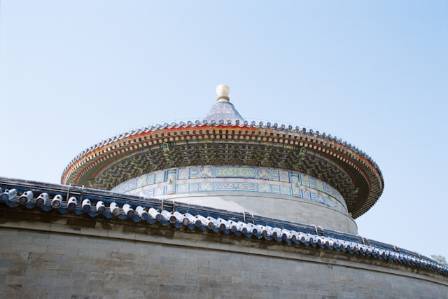
The Origins and Cultural Meaning of Pagodas
In movies and images featuring China and Japan, many people have encountered the impressive multi-level towers called pagodas. These distinctive structures are among the most recognizable symbols of Asian architecture. However, many may not realize that pagodas are closely connected with Buddhism, serving as sacred monuments that preserve Buddhist relics or commemorate the resting places of respected monks.
The Introduction of Pagodas to East Asia
The pagoda, known as “ta” in Chinese, first appeared in China around 68 A.D. following the introduction of Buddhism from India. As Buddhism expanded throughout East Asia during the sixth century, spreading from China to regions such as Japan and Korea, the pagoda gradually became an important and recognizable feature of religious architecture.
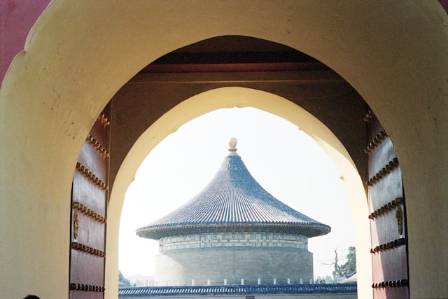
Structure and Historical Development
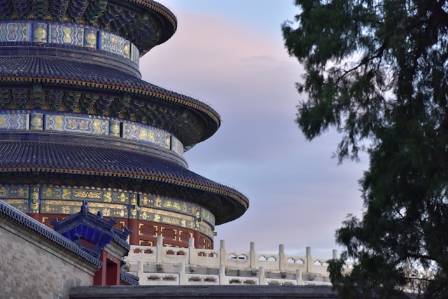
A pagoda is typically a tall building formed by multiple stacked levels, each featuring outward-curving roofs. These structures are usually constructed on foundations with square, circular, or polygonal shapes. The design developed through the combination of two architectural traditions: the ancient Indian stupa, a mound-like structure made of brick or stone that was placed over sacred remains, and the traditional Chinese tower, which was usually built from wood and crowned with a decorative spire.
The Evolution and Lasting Influence of Pagodas
Throughout history, the appearance and decorative features of pagodas have changed, and their purposes have been adapted in some Western countries, where similar designs are sometimes used for commercial buildings. Despite these changes, the essential form of the pagoda and its role as a symbol of remembrance and spiritual significance have remained an enduring part of Asian culture.
अगला सहारा

स्मार्ट होम क्या है? वो सब कुछ जो आपको जानना चाहिए
ईशा
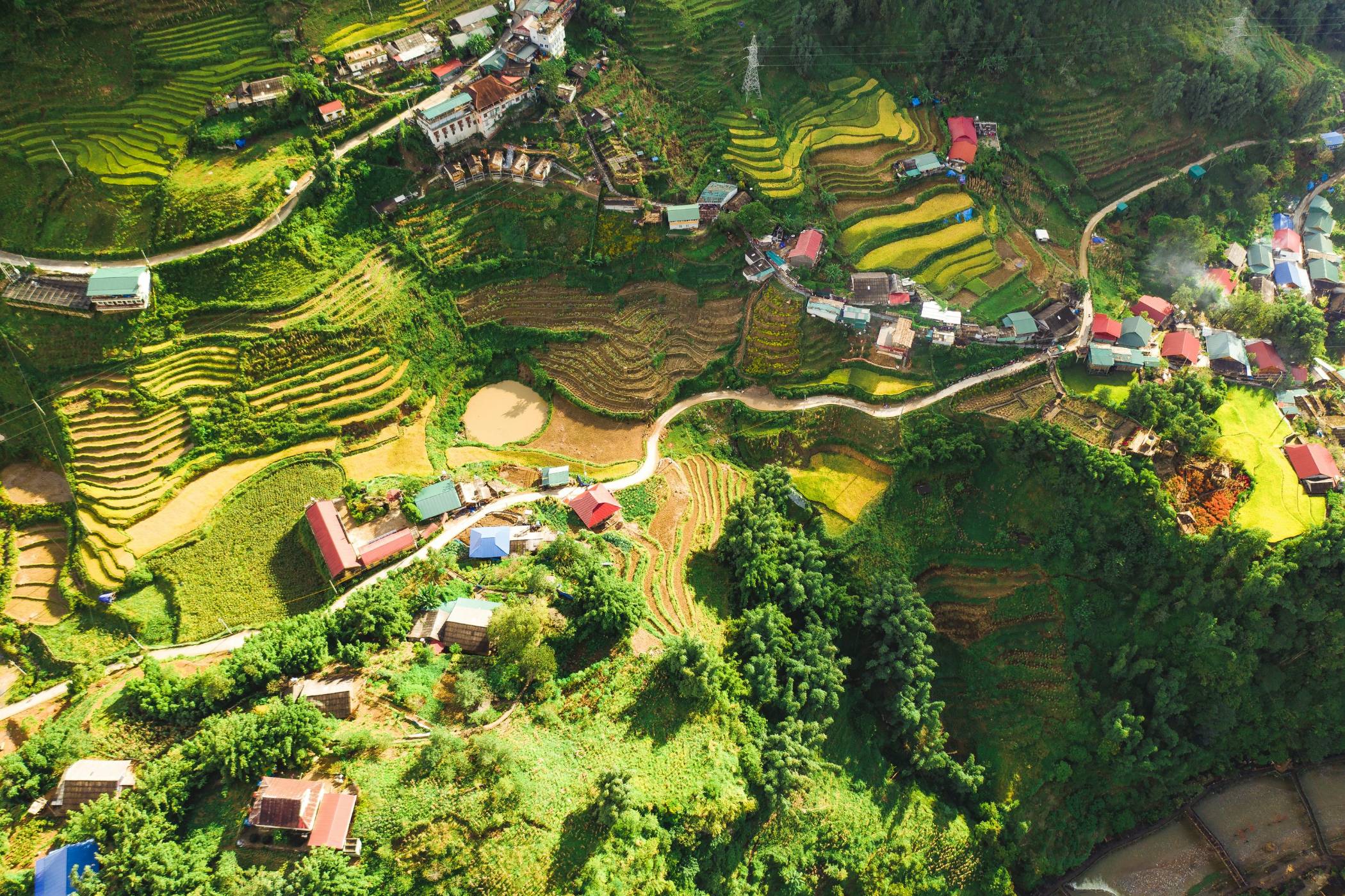
पृथ्वी पर 10 हरे स्थान - जंगल की बढ़ोतरी से लेकर झरने की गिरावट तक
स्टेफ़नी वर्मिलियन

सुपरकंप्यूटर सिमुलेशन संकेत देते हैं कि 100 अभी तक अनखोजी आकाशगंगाएँ मिल्की वे के चारों ओर परिक्रमा कर रही हो सकती हैं।
तान्या

लहसुन और अजमोद के मक्खन के साथ क्लासिक फ्रेंच एस्कार्गोट
शैलेंद्र साहा

What Are The 10 Best Houseplants?
Ava Collins

Compelling Facts About Mont Blanc
Matthew Collins