धीरे-धीरे पढ़ें
The Arctic Fox: Master of Survival in the Arctic Tundra
The Arctic fox, also known as the white fox, polar fox, or snow fox, is a remarkable animal adapted to one of the coldest places on Earth. This small fox species inhabits Arctic areas throughout the Northern Hemisphere and is commonly found across the Arctic tundra.
Savannah Lane
रचनाकार
याद रखें
नीचे पूरी रचना पढ़ें और अपने लिए उपयोगी बात चुनें।
अनुभाग
सकारात्मक विचार
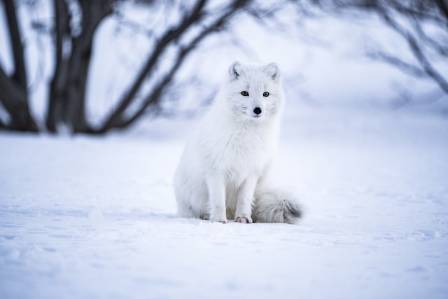
The Arctic fox, also known as the white fox, polar fox, or snow fox, is a remarkable animal adapted to one of the coldest places on Earth. This small fox species inhabits Arctic areas throughout the Northern Hemisphere and is commonly found across the Arctic tundra.
With unique physical features and survival strategies, the Arctic fox can endure extreme cold, limited food supplies, and long periods of darkness during winter. Learning about its lifestyle reveals the incredible ability of wildlife to adapt and survive in challenging environments.
Adaptations That Help the Arctic Fox Survive the Cold
The Arctic fox has developed a variety of special characteristics that allow it to withstand freezing Arctic conditions. One of its most noticeable features is its thick seasonal coat.
During winter, its fur becomes bright white, allowing it to blend almost perfectly with snow and ice. This natural camouflage helps protect the fox from predators and allows it to approach prey without being detected. When summer arrives, its coat changes to shades of brown or gray, helping it disappear among rocks and tundra vegetation.
The Arctic fox’s fur provides more than just camouflage. Its extremely dense coat traps warm air close to the body, creating excellent insulation. Even its feet are covered with fur, functioning like built-in snow boots that protect against frozen surfaces.
Its short, rounded ears also help conserve heat by reducing the amount of body warmth lost to the environment. This differs from fox species in warmer regions, which often have larger ears for releasing heat.
Hunting and Feeding in the Arctic Tundra
Finding food in the Arctic can be difficult, especially during the harsh winter months. The Arctic fox survives by being both an efficient hunter and a skilled scavenger.
Its main food sources include lemmings, voles, birds, and fish. When hunting opportunities are limited, it often follows larger predators such as polar bears and feeds on leftover remains from their kills.
One of the Arctic fox’s greatest hunting advantages is its excellent hearing. It can detect small animals moving beneath layers of snow and ice. Once it identifies a target, the fox leaps into the snow with impressive accuracy to capture its hidden prey.
This ability is especially important during winter, when food becomes much harder to locate.
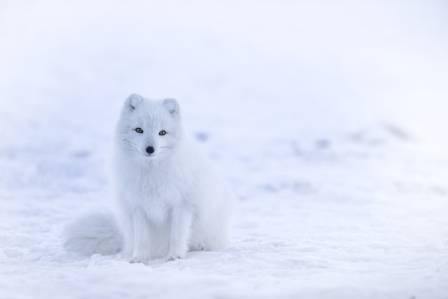
Arctic Fox Life Cycle and Social Behavior
Arctic foxes are generally monogamous animals, with many pairs staying together for multiple breeding seasons. They create underground dens that provide protection from harsh weather and serve as safe locations for raising their young.
Some dens are newly dug, while others are reused from previous generations or adapted from abandoned burrows made by other animals.
Breeding usually begins in early spring. After a pregnancy period of approximately 52 days, the female gives birth to a litter that typically contains between five and ten pups.
Young foxes develop quickly, learning important survival skills such as hunting and finding shelter before the arrival of the next winter.
Although Arctic foxes usually hunt alone, they may sometimes live in small family groups. They communicate with each other through sounds, body movements, and scent markings.
The Arctic Fox’s Importance in the Ecosystem
The Arctic fox plays an essential role in maintaining balance within the Arctic environment. As both a predator and a scavenger, it helps regulate populations of small mammals and removes animal remains from the landscape.
At the same time, Arctic foxes are an important food source for larger predators, including wolves and golden eagles.
The health of Arctic fox populations can provide valuable information about the condition of the Arctic ecosystem. Changes in their numbers may indicate environmental problems such as climate change, habitat disruption, or human activity.
Threats Facing Arctic Foxes
Although Arctic foxes are highly adapted to extreme environments, they still face several serious challenges. The greatest threat today is climate change.
Rising temperatures are reducing sea ice coverage and changing the structure of Arctic habitats. These changes can affect prey availability and create new competition from red foxes, which are expanding farther north as conditions become warmer.
Human activities also pose risks. Oil exploration, increased shipping, and other developments can disturb Arctic fox habitats and disrupt their natural behaviors.
Conservation programs focus on tracking populations, protecting important habitats, and understanding how environmental changes affect these animals. Protecting the Arctic fox helps preserve the delicate balance of life in the Arctic tundra.
अगला सहारा

2025 में बॉट्स का विकास और भविष्य के रुझान
पंकज

द वैल्यू ऑफ ए डार्क नाइट स्काई: स्टारगेजिंग, स्प्लेंडर एंड साइंस
एलेन डॉसन

कंप्यूटर के इतिहास के लिए बच्चों के लिए बेहतरीन गाइड
प्रवीण

What Is a Partial Solar Eclipse?
Brandon Ward

SYMBIOTIC HARMONY: PLANT-INSECT MUTUALISM
Olivia Brooke

Coolest Modern Sports Cars
Zoe Morgan