धीरे-धीरे पढ़ें
What Is a Partial Solar Eclipse?
On August 21, a remarkable total solar eclipse will sweep across the United States, allowing observers in portions of 14 states to witness one of nature’s most spectacular astronomical events. While people located within the narrow path of totality will see the Moon completely cover the Sun, millions of others across North America will experience a partial solar eclipse. Although less dramatic than totality, a partial eclipse remains an impressive celestial display.
Brandon Ward
रचनाकार
याद रखें
नीचे पूरी रचना पढ़ें और अपने लिए उपयोगी बात चुनें।
अनुभाग
सकारात्मक विचार
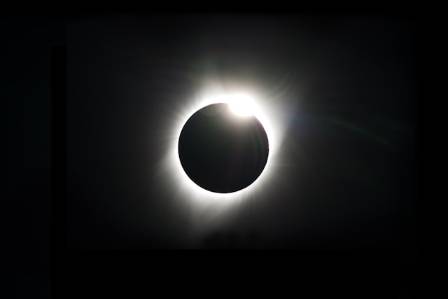
On August 21, a remarkable total solar eclipse will sweep across the United States, allowing observers in portions of 14 states to witness one of nature’s most spectacular astronomical events. While people located within the narrow path of totality will see the Moon completely cover the Sun, millions of others across North America will experience a partial solar eclipse. Although less dramatic than totality, a partial eclipse remains an impressive celestial display.
What Is a Partial Solar Eclipse?
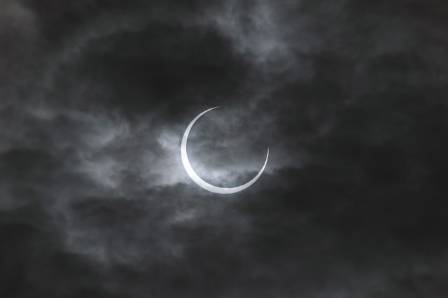
A partial solar eclipse takes place when the Moon moves between the Earth and the Sun but does not align perfectly enough to cover the Sun entirely. For viewers outside the roughly 70-mile-wide corridor of totality, only a portion of the Sun will be obscured by the Moon.
Because some sunlight remains visible throughout the event, a partial eclipse does not create the same dramatic darkness associated with a total solar eclipse. Daylight may appear slightly dimmer, but the sky never becomes completely dark.
Is It Safe to View a Partial Eclipse?
Looking directly at a partial solar eclipse without proper protection is dangerous. Since the Sun remains visible, its intense light can cause serious and permanent eye damage.
The safest method for observing a partial eclipse is to wear certified eclipse glasses specifically designed for solar viewing. Ordinary sunglasses, regardless of how dark they are, do not provide adequate protection.
How Frequently Do Partial Solar Eclipses Occur?
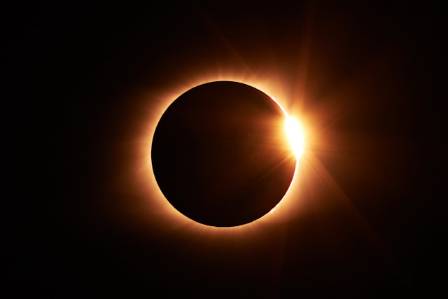
Partial solar eclipses happen somewhere on Earth approximately two times each year. In some cases, they occur alongside a total solar eclipse, appearing before and after the period of totality for certain locations. In other instances, they occur independently without any total eclipse visible.
The exact number of partial eclipses varies from year to year. For example, four partial solar eclipses took place during 2011. These events are often more common in regions closer to the Earth's polar areas.
Stages of a Partial Solar Eclipse
A partial solar eclipse progresses through several basic phases.
The first stage begins when the Moon starts moving across the Sun’s disk, creating the initial visible bite-shaped shadow.
The second stage is the maximum eclipse, which occurs when the greatest portion of the Sun is covered during that particular event.
The final stage takes place as the Moon gradually moves away from the Sun, eventually revealing the entire solar disk once again and bringing the eclipse to an end.
Conclusion
Although a partial solar eclipse lacks the dramatic darkness and breathtaking effect of totality, it remains a fascinating astronomical event. Watching the Moon slowly pass across the face of the Sun offers a unique opportunity to observe the precise movements of celestial bodies. With proper eye protection, a partial eclipse can be a memorable and rewarding experience for skywatchers of all ages.
अगला सहारा

Huangshan Mountain In The Winter
Charles Whitmore

साइकिल चलाना - स्वास्थ्य लाभ
मुकेश

Navigating the Evolution of Digital Technology: From Origins to the Future
Evan Charles Kensington

The Arctic Fox: Master of Survival in the Arctic Tundra
Savannah Lane

गर्मियों के लिए 5 बेहतरीन जूस जो आपको हाइड्रेटेड रखें
मीरा

बौना नेवला
आर्यन