धीरे-धीरे पढ़ें
Beginner’s Guide to Winter Off-Roading
Freezing temperatures don’t mean your off-road vehicle has to sit unused until spring. In fact, winter off-roading is a popular way for enthusiasts to get outside when cabin fever sets in. Snow-covered trails can be exciting, but they also demand extra preparation—especially for beginners. Before heading out, it’s important to understand how to prepare your vehicle, adjust your driving style, and stay safe in harsh conditions.
Julian Hayes
रचनाकार
याद रखें
नीचे पूरी रचना पढ़ें और अपने लिए उपयोगी बात चुनें।
अनुभाग
सकारात्मक विचार
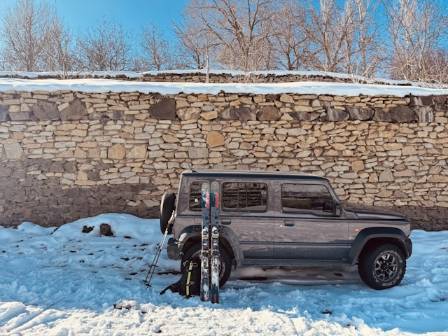
Freezing temperatures don’t mean your off-road vehicle has to sit unused until spring. In fact, winter off-roading is a popular way for enthusiasts to get outside when cabin fever sets in. Snow-covered trails can be exciting, but they also demand extra preparation—especially for beginners. Before heading out, it’s important to understand how to prepare your vehicle, adjust your driving style, and stay safe in harsh conditions.
Prepare Your Off-Road Vehicle for Winter
Winter terrain is far more demanding than dry trails filled with rocks, roots, and hills. Ice and snow add another layer of difficulty, so your vehicle must be properly winterized before you go.
Tires
Tires are one of the most important upgrades for cold-weather off-roading. Dedicated snow tires perform best because they stay flexible in low temperatures and improve grip on slick surfaces. All-terrain tires are another practical choice since they remain useful year-round, including after winter ends.
Battery
Cold weather reduces battery efficiency, so checking it before winter is essential. Make sure it’s fully charged and in good condition, as low temperatures can significantly impact starting power and overall performance.
Engine Oil
Winter conditions often require a different oil formulation. Synthetic oil is commonly recommended because it flows more easily in freezing temperatures and helps protect the engine from excessive wear. Cold-weather oil blends can also improve reliability throughout the season.
Adjust Your Driving Style
Once your vehicle is ready, you’ll also need to change how you drive. Snowy and icy trails behave very differently from normal off-road conditions, and help may be far away if something goes wrong.
Key driving tips include:
Lower tire pressure slightly to improve traction, but keep it above safe limits (generally no lower than around 15 PSI)
Stick to established and maintained trails whenever possible
Drive slowly and maintain steady control rather than aggressive acceleration
Use higher gears to help reduce wheel spin
Add Useful Winter Off-Road Upgrades
You don’t have to face winter trails with a stock setup. Many off-road communities offer aftermarket upgrades that improve safety and performance in snow.
Traction boards: Extremely helpful if you get stuck in snow or mud, allowing you to regain movement without outside help
Lift kits: Increase ground clearance so snow and ice are less likely to block your path, though they can raise the center of gravity and slightly reduce stability
These tools can make winter recovery easier and reduce the risk of being stranded.
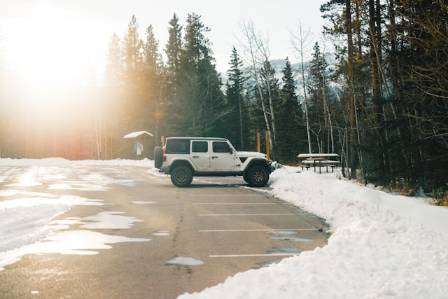
Keep Up With Regular Maintenance
Maintenance becomes even more important in winter because cold temperatures put extra strain on your vehicle’s engine, suspension, and tires.
Check tire tread regularly using simple tests like the penny method—if the tread is too worn, the tire may not perform safely in snow.
Cleaning your vehicle is also crucial. While many people associate washing with warmer months, winter driving exposes your rig to salt, sand, and chemical de-icers. Washing once or twice a week helps prevent corrosion and long-term damage.
Pack Essential Safety Equipment
Winter off-roading can quickly become dangerous if conditions worsen. Severe storms in recent years have shown how unpredictable winter environments can be, so carrying proper recovery gear is essential.
Important items include:
Tow straps
Recovery ropes
Winch systems
Snatch blocks
These tools can help you recover your vehicle if it becomes stuck or needs assistance in remote areas.
Final Thoughts
There’s no need to wait for warmer weather to enjoy off-roading. Many enthusiasts continue exploring snowy trails throughout the winter season. With proper preparation, careful driving, and the right safety equipment, winter off-roading can be both exciting and rewarding.
अगला सहारा

Twenty One Fascinating Secrets You Should Know About Wild Swallows
Henderson Arthur

मंगल ग्रह: जंग लगे रंग की स्थलीय दुनिया का अन्वेषण
प्रदीप जांगिड़

Stunning Sea of Clouds Spots in the Philippines You Must Visit
Nolan Everly

स्वेटशर्ट शैलियों के लिए आवश्यक गाइड: प्रकारों, फिट और विशेषताओं की तुलना
सोनल राजपूत
स्कीइंग का इतिहास: स्कीइंग के अतीत पर एक संक्षिप्त दृष्टिकोण
सीता
आरवी प्रकारों का सम्पूर्ण मार्गदर्शिका
शिवांश