धीरे-धीरे पढ़ें
The Most Storied Waterway: The Grand Canal of Venice
Venice’s Grand Canal is more than a waterway; it is the city’s rhythm and frame. Splitting the lagoon-city into two living halves, this ancient artery has seen centuries of trade, architecture, and daily life unfold on the water. From its tidal rhythm to its palatial facades, the Grand Canal remains a timeless stage where history and modern motion meet.
Eric Harris
रचनाकार
याद रखें
नीचे पूरी रचना पढ़ें और अपने लिए उपयोगी बात चुनें।
अनुभाग
सकारात्मक विचार
Introduction
Venice’s Grand Canal is more than a waterway; it is the city’s rhythm and frame. Splitting the lagoon-city into two living halves, this ancient artery has seen centuries of trade, architecture, and daily life unfold on the water. From its tidal rhythm to its palatial facades, the Grand Canal remains a timeless stage where history and modern motion meet.
A Shape of Water and Time
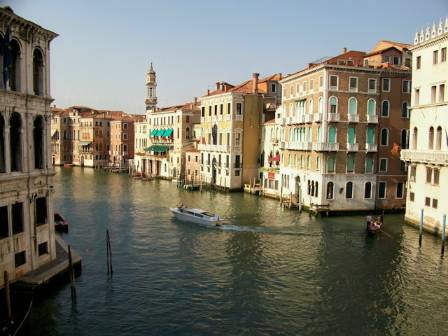
Viewed from above, the Grand Canal traces a backward-S through the heart of Venice, a dynamic spine flanked by gondolas, vaporetti, and palazzos. Twice daily tides wash over its width, sculpting the mood of the city as light and shadow ripple across its surface. Stretching roughly 3.8 kilometers (2.4 miles) in length and anywhere from 30 to 90 meters (98 to 295 feet) wide, its depth averages about 5 meters (16 feet). The northern reach anchors near Cannaregio and Santa Croce by Santa Lucia railway station; the southern end pours into Saint Mark’s Basin, where Santa Maria della Salute watches over the basin.
Historical Currents: From River to Grand Canal
Long before gondolas glided along its banks, the Grand Canal likely traced an ancient river course feeding the lagoon. Settlements of Adriatic Veneti and early fishermen clustered along “Rio Businiacus,” living in stilt-houses and trading salt and simple goods. As Rome, followed by Byzantium, left their marks, the lagoon grew more populated and strategic. In the early 9th century, Venice’s Doge relocated his seat to Rialto, elevating the city’s safety and prosperity. The Grand Canal became a vital, deep-water terminal for Mediterranean trade, birthing the magnificent warehouses and palazzi that define the city’s waterfront today.
From Trade Routes to Civic Heart
The canal’s bustling activity fed Venice’s rise as Europe’s premier marketplace for centuries. Ships weighing hundreds of tons threaded the waterway, while grand “Fonteghi” and palazzi lined the banks, housing merchants from across the Mediterranean. The Grand Canal was not just a trade route; it was a living museum of architectural ambition and urban planning, where the waterfront form dictated the civic mood and economic pulse of the city.
A Chronicle of Change: Modern Transformations
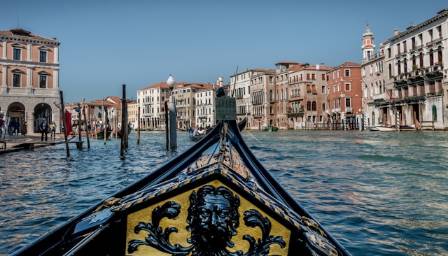
The fall of the Venetian Republic in 1797 paused much of the era’s grand construction, yet restoration and repurposing preserved its aura. Napoleonic-era reforms redirected monastic properties and artworks, feeding new museums and public spaces. The Kingdom of Italy’s era brought Gothic Revival touches to the canal’s edge, grafting new life onto ancient stone. Today, the Canal Grande remains Venice’s busiest conduit, a living system where markets, ferries, and daily life converge on the same stage.
Building and Living on Piles
Venice rises from soft mud transformed into resilient foundations of timber piles. Builders drove piles into the lagoon, letting them harden and become calcareous over time. Structures sit atop these stilt-like supports, with brick, marble, and Istrian stone forming the exterior and interiors finished in plaster and stucco. The waterfront orientation dominates, as buildings were designed to be accessed by water, often adding terraces and connecting bridges to share space and stabilize movement on a crowded canal.
A Day on the Water: Life on the Grand Canal Today
Today, the Grand Canal remains the city’s lifeblood. Trade and daily logistics play out on the water as fruit, vegetables, and fish arrive at Rialto while merchants, residents, and visitors glide along in gondolas and vaporetti. The No. 1 Vaporetto is a quintessential ride, offering a moving panorama of palazzi, churches, and the ever-present theater of urban life. Even ceremonial moments—police boats, ambulances, and even funerary barge journeys—continue to move along these waters, a reminder that Venice is a city lived in and on.
Traditions by the Water: Celebrations on the Canal
The Grand Canal hosts enduring traditions that anchor Venetians to their maritime heritage. The Regata Storica, held on the first Sunday of September, stages a historic boat race with a Corteo Storico procession recalling Catherine Cornaro’s 15th-century entry into power. In November, the Madonna della Salute festival unites locals and pilgrims as they cross a temporary pontoon bridge to honor deliverance from past plagues, turning the canal into a living corridor of memory.
Conclusion
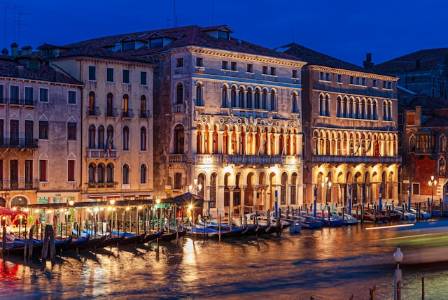
The Grand Canal is not merely a channel of water; it is Venice’s longest continuous gallery of history, urban design, and daily life. Its tides, bridges, palazzos, and boats tell a story of a city that thrived by water and remains a beacon of
अगला सहारा
पेरिस से बुडापेस्ट – रात में सबसे सुंदर शहर
साहिल
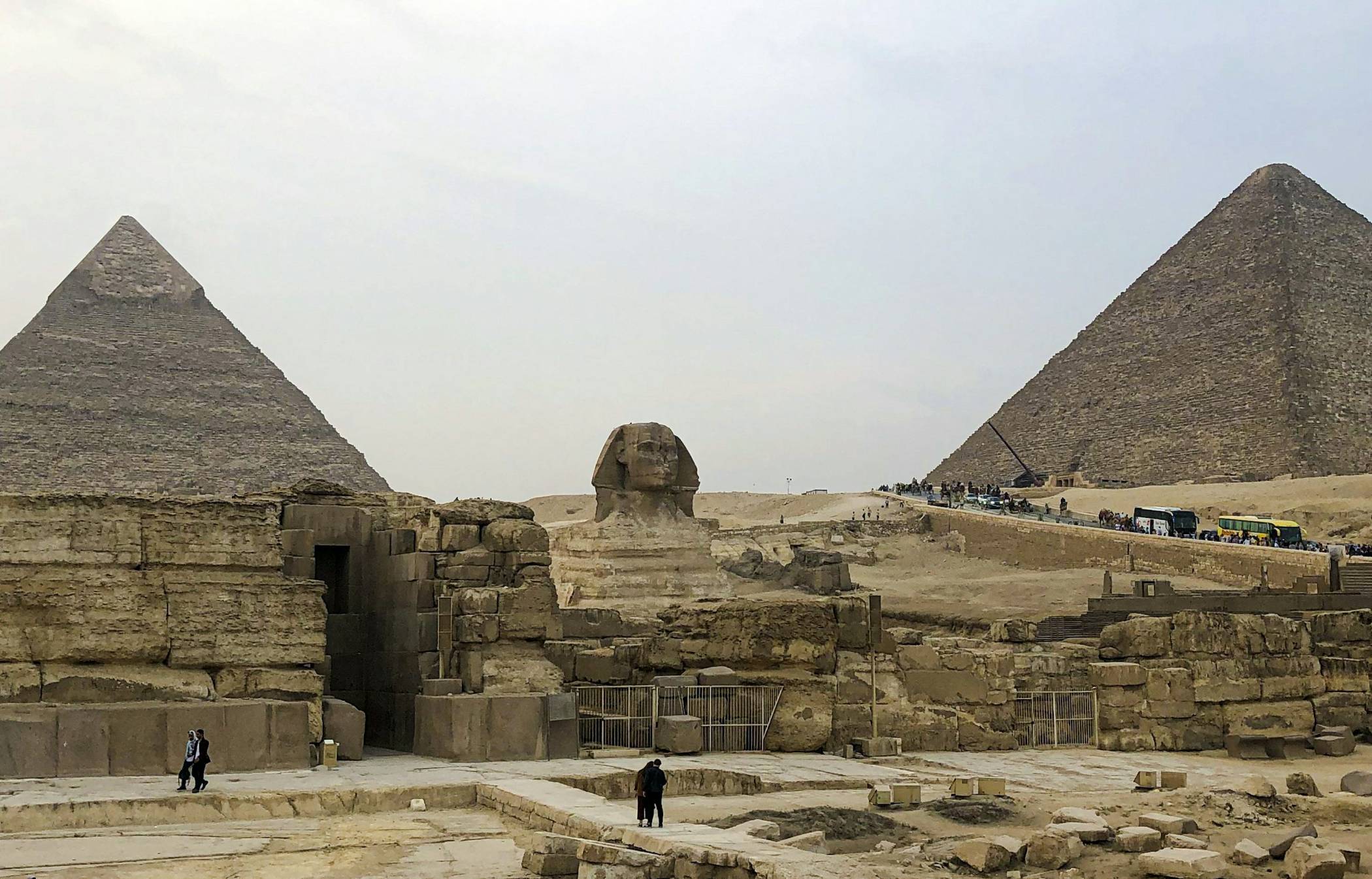
मिस्र के महान स्फिंक्स के बारे में 10 रहस्य और जिज्ञासाएँ यहाँ हैं
देव

Great Blue Heron (Ardea herodias) — Summary
Lucas Hall

Artist Turns Canada’s Mountains into Colorful Geometric Art
Morgan Reed

अपने बच्चे के साथ कैसे खेलें
निर्भय
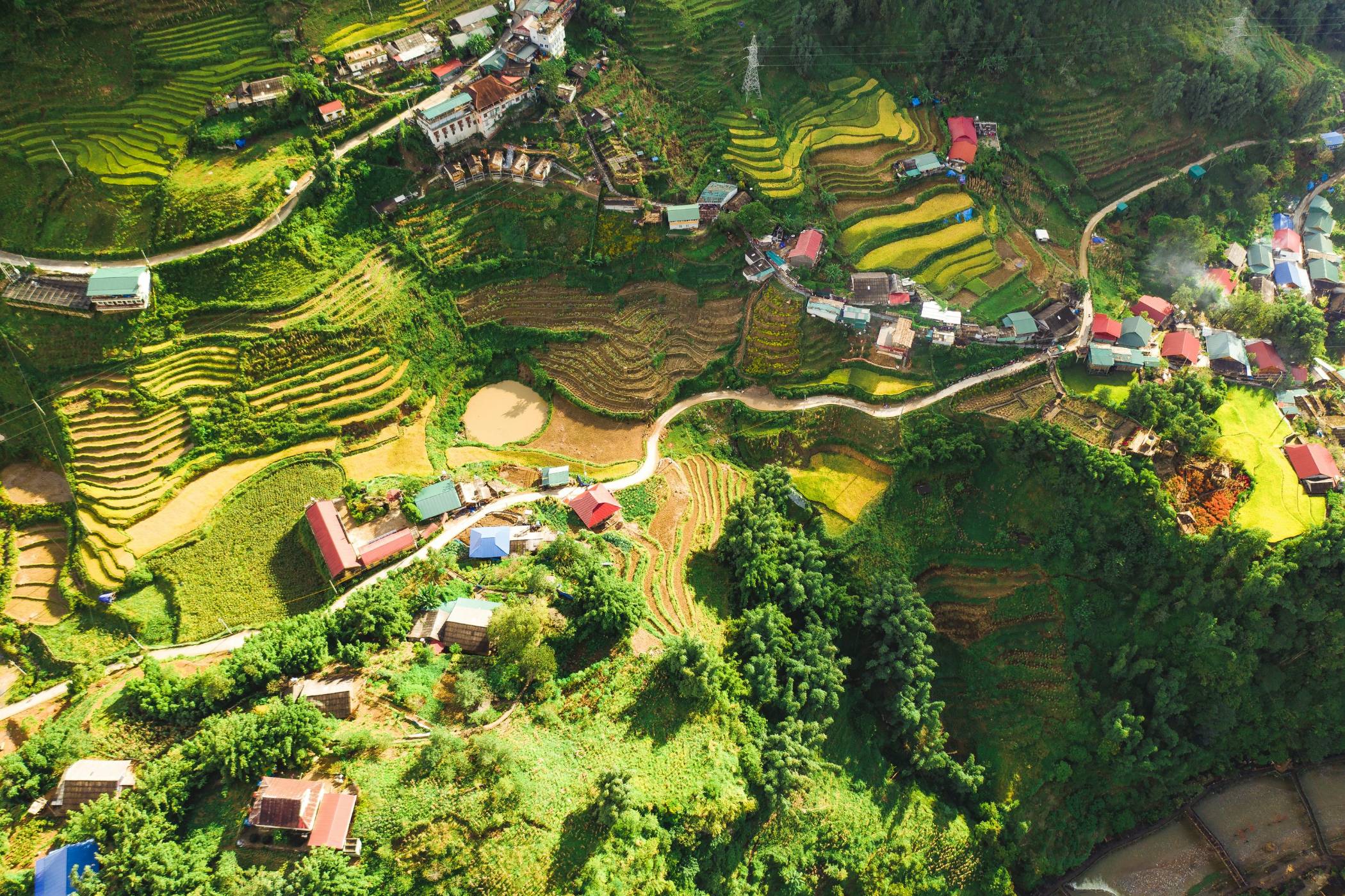
पृथ्वी पर 10 हरे स्थान - जंगल की बढ़ोतरी से लेकर झरने की गिरावट तक
स्टेफ़नी वर्मिलियन