धीरे-धीरे पढ़ें
Simple Japanese Tempura Batter: A Guide to Light and Airy Frying
Creating authentic, restaurant-quality tempura at home is a manageable task that requires only three pantry staples. This method focuses on a minimalist approach to produce a delicate, golden coating that enhances rather than overwhelms the ingredients. Whether you are a novice or an experienced home cook, mastering this batter will allow you to transform ordinary seafood and vegetables into a crisp, professional-grade appetizer.
Adrian Whitmore
रचनाकार
याद रखें
नीचे पूरी रचना पढ़ें और अपने लिए उपयोगी बात चुनें।
अनुभाग
सकारात्मक विचार
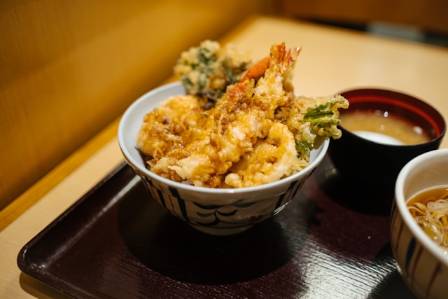
Creating authentic, restaurant-quality tempura at home is a manageable task that requires only three pantry staples. This method focuses on a minimalist approach to produce a delicate, golden coating that enhances rather than overwhelms the ingredients. Whether you are a novice or an experienced home cook, mastering this batter will allow you to transform ordinary seafood and vegetables into a crisp, professional-grade appetizer.
Understanding the Essentials of Tempura
The core of a traditional Japanese batter is a mixture of flour, a single egg, and chilled water. The secret to its signature texture lies in the temperature and the handling of the ingredients. By using ice-cold water and sifting the flour, you prevent the development of gluten, which is the primary cause of a heavy or doughy crust. This batter is incredibly versatile; while shrimp is the most common choice, it performs exceptionally well with a variety of proteins like white fish or chicken, and vegetables ranging from sweet potatoes to mushrooms.
For the best results, timing is everything. You should prepare your ingredients—slicing them into uniform, bite-sized pieces—before you even touch the batter. Tempura is at its peak immediately after leaving the fryer, and the batter itself begins to lose its effectiveness if it sits for too long at room temperature.
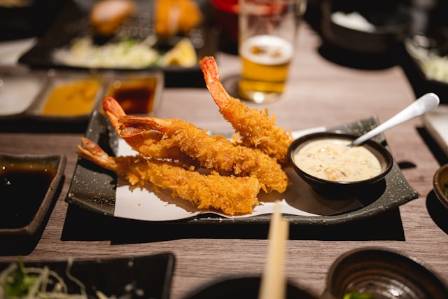
Techniques for Achieving Maximum Crispness
To ensure your tempura remains light and avoids becoming greasy, pay close attention to the following technical details:
-
Pre-Coating for Adhesion: Before dipping items into the wet batter, lightly dust them with a thin layer of dry flour. This acts as a primer, helping the liquid coating stick securely to the surface of the food.
-
Temperature Management: The oil should be maintained between 175°C and 180°C (340°F to 360°F). If the oil is too cool, the batter will absorb excess fat, resulting in a heavy feel. If it is too hot, the exterior will brown before the interior is properly cooked.
-
Minimal Mixing: Use chopsticks instead of a whisk to combine the wet and dry ingredients. A few lumps in the batter are actually desirable. Overmixing activates gluten, which turns the coating from crispy to bread-like.
-
Immediate Frying: The contrast between the ice-cold batter and the hot oil creates the desired airy texture. For this reason, heat your oil first and mix your batter at the very last second.
Selecting the Right Oil and Ingredients
The choice of frying medium significantly impacts the final flavor. Oils with a high smoke point are necessary for deep-frying. While standard vegetable or canola oils are practical and neutral, peanut oil offers a slightly richer profile. For a traditional aroma, some cooks add a small amount of toasted sesame oil to their frying blend.
While the classic version uses all-purpose flour and an egg, you can experiment with the thickness. A higher water-to-flour ratio creates a thin, lacy coating, while less water yields a more substantial crust. If you prefer an egg-free version, simply omit the egg and use only flour and ice water; the result will still be remarkably crispy if kept cold.
Storage and Reheating Suggestions
Tempura is intended to be consumed immediately. However, if you have leftovers, they can be stored in a sealed container in the refrigerator for up to two days. To restore some of the original crunch, avoid the microwave. Instead, place the pieces in a single layer on a baking sheet and heat them in an oven at 175°C (350°F) until they are warmed through and the exterior firms up again.

अगला सहारा

दुनिया के 9 सबसे बेहतरीन सूर्यास्त
भुवन

Why Evening Workouts May Offer Distinct Advantages for Glucose Control
Julian Stewart

आपके घर में नई जान फूंकने का तरीका: घर की सजावट के लिए आइडिया
उदय

Huangshan Mountain In The Winter
Charles Whitmore

How to Choose the Perfect Necklace for Every Occasion
Isabella Carrington

बेहतर रोड ट्रिप के लिए 8 टिप्स
कबीर