धीरे-धीरे पढ़ें
Top Fascinating Cheetah Facts
Discover the world of the cheetah, the most rapid land mammal on the planet. Explore the life and habits of this impressive, high-speed feline with these essential insights into their biology and behavior.
Charlie Davies
रचनाकार
याद रखें
नीचे पूरी रचना पढ़ें और अपने लिए उपयोगी बात चुनें।
अनुभाग
सकारात्मक विचार
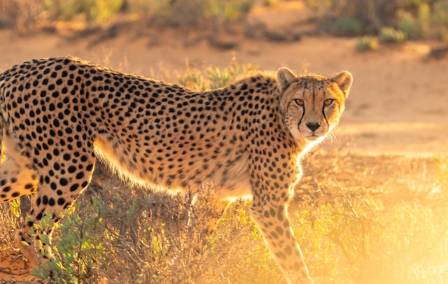
Discover the world of the cheetah, the most rapid land mammal on the planet. Explore the life and habits of this impressive, high-speed feline with these essential insights into their biology and behavior.
Geographic Distribution and Physical Stature
The vast majority of cheetahs living in the wild are located throughout sub-Saharan Africa. They typically inhabit open grasslands, vast savannahs, and sparse woodlands. A tiny, isolated group also exists in northeastern Iran, though their numbers have dwindled to only a few dozen individuals.
In terms of physical dimensions, these large cats reach lengths between 1.1 and 1.4 meters, complemented by a tail that adds another 65 to 80 centimeters. They generally weigh between 34 and 54 kilograms, with males typically being the larger of the sexes.
Distinctive Appearance and Evolution for Speed
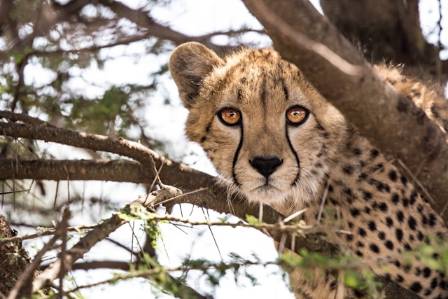
A cheetah’s coat is characterized by a light yellow hue covered in solid black spots, while their undersides are pure white. Their most recognizable facial feature is the "tear marks"—prominent black lines that run from the inner corners of their eyes down to the edges of their mouth.
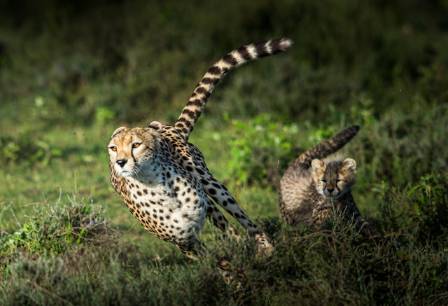
As the quickest animal on land, a cheetah is capable of hitting speeds of 112 kilometers per hour in a mere three seconds, outperforming the acceleration of many high-end sports cars. Their entire anatomy is refined for velocity, featuring an elastic spine, long limbs, specialized semi-retractable claws for traction, and a heavy tail that acts as a rudder for balance during sharp turns.
Diet and Strategic Hunting Methods
Cheetahs are strict carnivores that hunt various animals found across the African plains. Their typical diet includes gazelles, springboks, warthogs, rabbits, and various birds.
Unlike many other large African predators, these cats hunt during the daylight hours. This strategy helps them avoid direct conflict with stronger nocturnal hunters like leopards, hyenas, and lions. They rely on their sharp vision to locate targets from a distance before stalking them through the grass. Once close enough, they execute a high-speed sprint to trip their prey and deliver a decisive bite to the throat.
Energy Expenditure and Social Dynamics
Because sprinting at such extreme velocities requires immense energy, a cheetah's chase is usually a short burst. These pursuits typically cover only 200 to 300 meters and rarely last more than sixty seconds before the cat must rest.
While some large cats are entirely solitary, cheetahs have a varied social structure. They are often found in groups, such as a mother with her dependent cubs or a "coalition" of brothers who hunt together for life. In contrast, adult females usually live alone, only interacting with males briefly during the mating season.
Reproduction and Conservation Challenges
Female cheetahs generally give birth to litters of two to eight cubs. To protect them from predators, the mother keeps her young hidden in dense, tall vegetation. The cubs remain under her care for 16 to 24 months until they have mastered the skills necessary to survive independently.
Currently, this species faces severe threats from human conflict, the shrinking of their natural habitats, and a decrease in available prey. Classified as Vulnerable by the IUCN, it is estimated that only 9,000 to 12,000 cheetahs remain in the wild today, highlighting the urgent need for continued conservation efforts.
अगला सहारा
What Are Ducks?
Vanessa Moore

पालतू बिल्ली का इतिहास
शिवानी
21 Most Colorful Birds: Nature’s Vibrant Masterpieces
Aiden

नीस्ट पॉइंट लाइटहाउस: स्काई में सनसेट देखने के लिए सबसे अच्छी जगह
सीता
The 7 Most Fascinating Secrets of the Roe Deer: Nature's Master of Survival
Carol King

Best things to do in Hudson Yards
अंजलि