धीरे-धीरे पढ़ें
Mastering the Art of Air-Dry Clay: A Comprehensive Guide to Sculpting Figures
Sculpting clay figures has emerged as one of the most beloved contemporary crafts. By mastering this artistic skill, creators can bring their favorite characters from anime, manga, and video games to life, or even design entirely original people and creatures. While both air-dry and polymer clays are popular mediums, air-dry clay is the ideal starting point for newcomers. It is cost-effective, user-friendly, and perfect for the repetitive practice required to hone one's craft.
Helen Louise Montgomery
रचनाकार
याद रखें
नीचे पूरी रचना पढ़ें और अपने लिए उपयोगी बात चुनें।
अनुभाग
सकारात्मक विचार
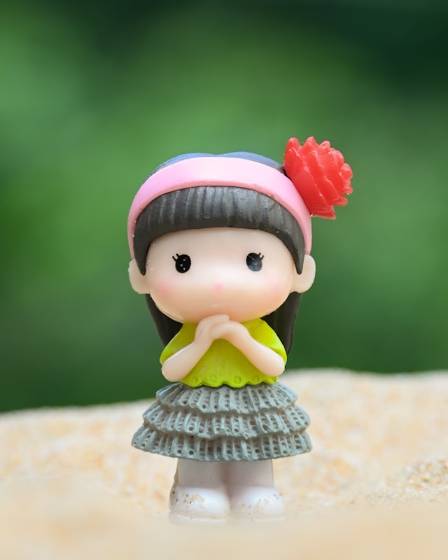
Sculpting clay figures has emerged as one of the most beloved contemporary crafts. By mastering this artistic skill, creators can bring their favorite characters from anime, manga, and video games to life, or even design entirely original people and creatures. While both air-dry and polymer clays are popular mediums, air-dry clay is the ideal starting point for newcomers. It is cost-effective, user-friendly, and perfect for the repetitive practice required to hone one's craft.
This manual serves as a roadmap for your creative journey. Whether you are a novice or an experienced artist looking to refine specific techniques, the following chapters provide a structured path from basic tool handling to advanced anatomical proportions. This guide covers a wide spectrum of designs, ranging from simple Chibi characters to complex, large-scale anime figures.
Foundations of Clay Sculpting and Essential Tools
Before diving into specific character designs, it is vital to understand the materials at your disposal. The initial stages of this guide focus on the specialized tools used in the trade and how to handle them effectively. You will learn the nuances of air-dry clay, including how it behaves during the drying process and how to maintain its pliability.
Fundamental skills are the building blocks of every great sculpture. Beginners will learn how to mix custom colors to achieve the perfect skin tones and outfit hues. We also cover the construction of basic geometric shapes, which serve as the internal structure for more complex body parts. Understanding head-to-body ratios is another critical milestone, as it dictates whether your character looks like a cute, stylized "Chibi" or a realistically proportioned scale figure.
Sculpting Stylized Chibi Characters
The journey into character creation begins with Chibi figures, which are known for their exaggerated, "super-deformed" proportions. A common characteristic of this style is a 1:1:1 ratio, where the head, torso, and legs are nearly equal in length. For example, a stylized male character might stand at a total height of just three heads.
Moving into more decorative territory, the guide explores how to add intricate details to female Chibi figures. This involves using acrylic paints for facial expressions and crafting delicate clay ornaments, such as lotus flowers or traditional tassels. These small additions provide an ancient, charming aesthetic and teach the artist how to manage tiny, fragile components without compromising the structural integrity of the clay.

Advanced Techniques for Anime Scale Figures
As you progress, the complexity of the projects increases. Transitioning from Chibi to scale figures requires a deeper understanding of anatomy and movement. A typical "little scale" figure might be five heads tall, representing a younger character like a high school student. At this stage, you will learn to sculpt more realistic limbs and dynamic clothing, such as skirts that appear to be fluttering in the wind.
The most advanced levels of the guide focus on 7-head tall figures, which reflect standard adult proportions. These projects demand mastery over difficult poses—such as kneeling—and complex textures like lace, ruffles, and curly hair. Mastering these details is the key to creating professional-grade anime figures that capture the grace and personality of the original concept.
Finishing Touches and Fine Details
A sculpture is only truly finished once the final details are polished. This guide places significant emphasis on post-sculpting techniques, particularly the use of acrylics to paint expressive eyes and intricate clothing patterns. Learning how to apply these colors without smudging the underlying clay is a vital skill for any serious hobbyist.
Furthermore, protecting your work is essential for long-term preservation. Many artists prefer to maintain the natural, soft appearance of air-dry clay. To achieve this, it is recommended to use specific matte-finish sealers. These coatings protect the figure from dust and moisture while ensuring the surface does not become artificially shiny, thus preserving the authentic look and feel of the handcrafted art.
अगला सहारा
10 Fascinating Insights Into Rhythmic Gymnastics
Olivia

Why Evening Workouts May Offer Distinct Advantages for Glucose Control
Julian Stewart

सैन डिएगो में सनसेट क्लिफ्स गुफाओं के लिए पूरी गाइड
सुरेश

र्यू क्रेमियू पेरिस
कामिनी

7 प्यारी मासूमियत के गुण जो पुरुषों को महिलाओं में आकर्षक लगते हैं
दिव्या

पेड़ को फिर से हाइड्रेट कैसे करें: पानी की कमी वाले पेड़ को ठीक करना
गगन