धीरे-धीरे पढ़ें
Selecting a Timeless Scarf: A Guide for Personal Use or Gift Giving
A scarf is much more than a simple accessory; it is a profound bridge between generations and a medium for personal expression. Often, a well-chosen piece of silk or cashmere becomes a family heirloom, passed down from grandmothers to granddaughters, retaining its beauty and emotional significance for decades. Unlike fast fashion, a scarf is not dictated by fleeting trends but by how it resonates with the wearer’s spirit and individual style.
Nicholas Andrew Pembroke
रचनाकार
याद रखें
नीचे पूरी रचना पढ़ें और अपने लिए उपयोगी बात चुनें।
अनुभाग
सकारात्मक विचार
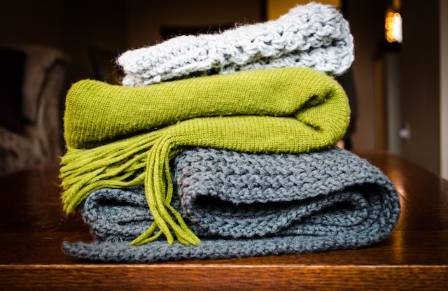
A scarf is much more than a simple accessory; it is a profound bridge between generations and a medium for personal expression. Often, a well-chosen piece of silk or cashmere becomes a family heirloom, passed down from grandmothers to granddaughters, retaining its beauty and emotional significance for decades. Unlike fast fashion, a scarf is not dictated by fleeting trends but by how it resonates with the wearer’s spirit and individual style.
Combining aesthetic appeal with practical utility, scarves serve as versatile outfit transformers. They have remained iconic throughout history, from the adornments of ancient royalty to the signature looks of 20th-century cinema stars. Beyond their beauty, scarves offer a unique flexibility: they require no concern for size or fit, making them an accessible gift for anyone. Crafted from natural materials like silk and cashmere, these items are long-lasting, suitable for all seasons, and easy to transport, making them the perfect companion for both daily life and global travel.
The Foundation of Choice: Emotional Connection
The process of selecting the right scarf should begin with how the design makes you feel. Technical aspects like color and shape are important, but the primary factor is a "soul connection" to the piece. The most successful choice is the one that resonates with the wearer's essence. Whether a pattern evokes the energy of the natural world or a specific emotional mood, the design should appeal to the heart. When a scarf "lights up" the person wearing it, it ceases to be a mere garment and becomes a meaningful part of their life story.
Determining the Ideal Shape and Size
Once an emotional connection is established, the physical format of the scarf should be considered to match the lifestyle and needs of the recipient. Each shape offers distinct styling possibilities and levels of formality.
Long Scarves are the quintessential classic choice. They are ideal for those who prefer a low-maintenance, "ready-to-go" style. These can be easily looped, knotted, or even utilized as a head covering or a decorative belt. They are typically available in pure silk for a light feel or silk-cashmere blends for added warmth.
Square Scarves offer the highest level of versatility due to the numerous ways they can be folded and tied. They generally come in three primary sizes:
-
Oversized (140cm): Perfect for winter layering or as a creative summer beach wrap that can function as a top or dress.
-
Large (90cm): The traditional size for elegant neck ties, shawls, or bolero-style wraps.
-
Small (70cm): A petite bandana size that adds a subtle, chic touch to the neck or hair.
Ribbon Scarves are narrow, double-sided accessories. These are perfect for adding a concentrated splash of color or pattern without the bulk of a larger wrap. They are particularly suited for warmer climates or for individuals who prefer understated accents on the wrist, hair, or handbag.

Aligning Pattern with Style Personality
The pattern of a scarf should reflect the wearer’s unique personality. Understanding these "style archetypes" can simplify the selection process significantly:
-
Natural and Relaxed: These individuals often prefer subtle, muted patterns inspired by organic light and shadows rather than bold prints.
-
Traditional and Classical: This personality gravitates toward neat proportions, small-scale geometries, stripes, or understated florals.
-
Bohemian and Romantic: Dreamy designs, soft colors, and delicate floral motifs are the hallmark of this style.
-
Dramatic and Bold: Striking designs and vibrant colors suit those with strong self-confidence who wish to make a visual statement.
-
Creative and Chic: Creative types enjoy experimenting with unique color combinations, while the "truly chic" prefer understated pieces with a modern, sophisticated edge.
The Role of Scale and Color
Scale and color are the final technical pillars of a great selection. As a general guideline, the scale of the print should harmonize with the wearer's physical proportions; smaller prints often suit petite frames, while larger, more expansive designs work well for taller individuals.
Color, however, is truly transformational. The most important factor is the tone—whether a color is warm or cool—rather than the color itself. For instance, a warm red with orange undertones complements golden skin tones, while a cool red with berry undertones suits those with pale skin and dark hair. A helpful tip for anyone is to ensure the colors closest to the face are those that most flatter their natural coloring. A scarf can even be used to "rescue" a wardrobe mistake by providing a flattering barrier of color between the face and a less-than-ideal garment.
By starting with an emotional response and then filtering through shape, personality, and tone, you can confidently choose a scarf that will be cherished and worn for a lifetime.

अगला सहारा

Wheat Landscapes: The Allure and Importance of Golden Fields
Amelia Hughes
गर्भावस्था के दौरान कीवी फल खाने के क्या लाभ हैं?
तरुण
नारियल के 5 प्रभावशाली लाभ
विशाल
The Arctic Fox: Master of Survival in the Arctic Tundra
Savannah Lane

माउंट रशमोर राष्ट्रीय स्मारक
अंजली

Understanding the History Engineering and Lasting Appeal of Vinyl Records
Finn Christopher Lane