धीरे-धीरे पढ़ें
How To Care For The Monstera Deliciosa
Monstera deliciosa offers a completely different experience from many traditional houseplants. It is a plant that refuses to remain still or grow in a predictable way. Instead, it constantly stretches, climbs, and changes direction as it searches for the conditions it needs to thrive.
Andrew Martin
रचनाकार
याद रखें
नीचे पूरी रचना पढ़ें और अपने लिए उपयोगी बात चुनें।
अनुभाग
सकारात्मक विचार
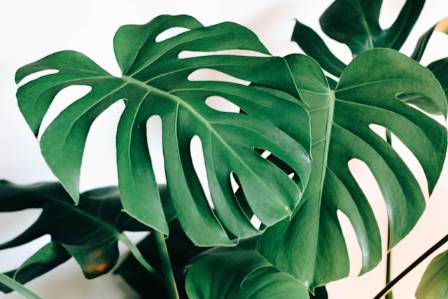
Monstera deliciosa offers a completely different experience from many traditional houseplants. It is a plant that refuses to remain still or grow in a predictable way. Instead, it constantly stretches, climbs, and changes direction as it searches for the conditions it needs to thrive.
Whether it is looking for better light, stronger support, or simply following its natural instincts, the monstera always seems to be exploring. This fascinating behavior comes from its origins in the tropical rainforests of Central America, where its climbing nature helps it survive. Its adventurous growth habit is part of its appeal, but its stunning leaves are what truly make it a favorite among plant lovers.
Tropical Origins of Monstera Deliciosa
Monstera deliciosa is an epiphytic climbing vine from the Araceae family. Although it is now classified separately, monsteras were once grouped together with philodendrons, which explains why they are sometimes called the “Swiss cheese philodendron.”
Despite this nickname, monstera should not be confused with an edible plant. The leaves, stems, and immature fruit contain calcium oxalate crystals, which can cause irritation and discomfort in the mouth and throat if eaten.
The word “deliciosa” in its scientific name refers to the mature fruit, which is considered delicious when fully ripe. However, indoor monsteras rarely produce flowers or fruit, so most houseplant owners enjoy them primarily for their dramatic foliage.
The Famous Swiss Cheese Leaves
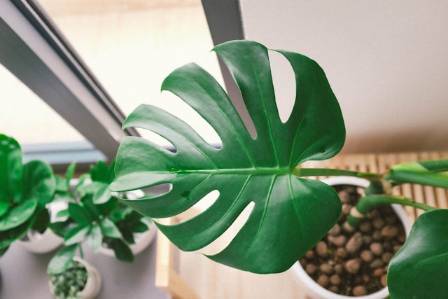
The nickname “Swiss cheese plant” comes from the unusual patterns that appear on mature monstera leaves. As the plant grows older, its leaves develop natural splits and holes known scientifically as fenestrations.
Young monstera plants do not usually have these openings. Instead, their early leaves are solid and simple. As the plant matures, new leaves gradually develop the characteristic cuts and openings that make monstera so recognizable.
These leaf patterns are not just decorative; they are part of the plant’s natural adaptation to life in the rainforest.
A Plant That Naturally Loves to Explore
The wandering behavior of monstera begins when it is still a young seedling growing on the rainforest floor. At first, the plant moves toward darker, shaded areas until it finds a nearby tree trunk or other structure to climb.
Once it discovers support, the monstera changes its strategy. Using strong aerial roots, it begins climbing upward toward brighter areas of the forest canopy where it can access more sunlight.
Inside a home, monstera continues to follow this same instinct. It searches for something to attach itself to and adjusts its growth depending on available light and support. Because of this, every monstera develops a unique shape, often creating interesting and unpredictable forms.
Ways to Guide and Support Your Monstera
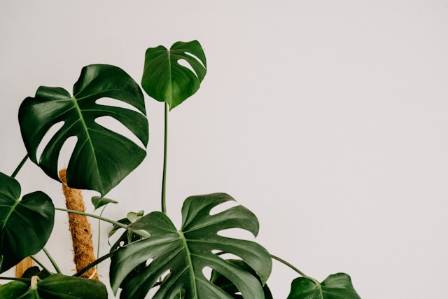
Part of the fun of growing monstera is deciding how to work with its adventurous growth style. Some plant owners use stakes to support heavy branches, while others train the plant to climb along moss poles or decorative supports.
A moss pole can be created by wrapping long-fiber sphagnum moss around a wooden stick and securing it in place. Another option is making a tube from wire mesh, filling it with sphagnum moss, and placing it firmly into the pot.
The monstera’s stems can then be gently tied to the support until the aerial roots attach naturally. Over time, the plant will begin climbing on its own.
For decorative supports such as metal obelisks, it is easier to introduce them when the plant is still young. Adding support to a large, established monstera can be more difficult and may require patience and careful handling.
If certain branches grow in unwanted directions and refuse to cooperate, pruning is always an option to help maintain the shape you prefer.
Simple Light and Water Requirements
Like many tropical houseplants, monstera grows best with bright but indirect sunlight. Direct, harsh sunlight can damage its leaves, while too little light may slow growth.
When watering, give the plant a thorough drink and then allow the potting soil to dry partially before watering again. The upper portion of the soil should feel dry before the next watering session.
If your monstera is growing on a moss pole, remember to keep the moss slightly moist as well. This encourages the aerial roots to attach and grow into the support.
Monsteras prefer warm temperatures and higher humidity levels than many homes naturally provide, but they are surprisingly adaptable. Even when conditions are not perfect, they can continue growing, although their size and speed may be reduced.
Add a Monstera to Your Plant Collection
Monstera deliciosa is a plant full of personality. Its large leaves, climbing nature, and constantly changing shape make it much more than an ordinary houseplant.
Once you bring one of these tropical beauties into your home, its unique character and adventurous growth are likely to make it a favorite. With the right support, suitable light, and proper care, a monstera can become a spectacular centerpiece in any indoor plant collection.