धीरे-धीरे पढ़ें
The Art of China Ink Painting
In the ethereal landscapes where towering mountains disappear into clouds and rivers thread through lush valleys, China Local Tour Operator invites travelers to explore the heart of Chinese artistry through ink painting—a medium that captures nature’s subtle poetry.
Atlas Rivers
रचनाकार
याद रखें
नीचे पूरी रचना पढ़ें और अपने लिए उपयोगी बात चुनें।
अनुभाग
सकारात्मक विचार
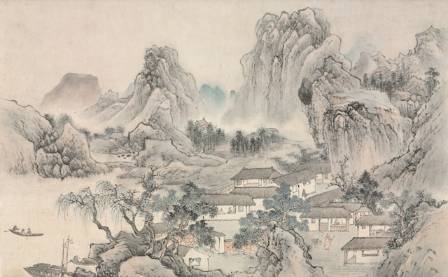
In the ethereal landscapes where towering mountains disappear into clouds and rivers thread through lush valleys, China Local Tour Operator invites travelers to explore the heart of Chinese artistry through ink painting—a medium that captures nature’s subtle poetry.
Known as Chinese ink wash painting, this ancient practice uses a single brushstroke to convey the grandeur of vast landscapes or the nuance of fleeting emotions. For those seeking a deeper connection with China’s cultural heritage, experiencing ink painting offers a journey that combines history, creativity, and scenic beauty. Its flowing lines and layered shades reflect not only visual splendor but also a philosophical harmony between humans and nature.
The magic of Chinese ink painting lies in its ability to turn simple ink and paper into profound expressions of life. With roots stretching back centuries, it has inspired generations of artists and continues to captivate visitors across China. Whether admiring a masterpiece in a gallery or trying your hand at brushwork in a tranquil studio, the experience evokes a sense of calm and timeless reflection.
The Historical Evolution of Chinese Ink Painting
The story of Chinese ink painting spans thousands of years, revealing how cultural, philosophical, and artistic values evolved. By understanding its history, travelers can better appreciate recurring motifs and the deeper meanings behind traditional scenes. Below is an overview of its major periods.
Early Beginnings
Ink painting traces its origins to prehistoric times, with archaeological evidence showing early ink markings on pottery and oracle bones during the Neolithic era, around 5000 BCE. These primitive designs were both decorative and ritualistic, setting the stage for more sophisticated techniques.
By the Warring States period (475–221 BCE), innovations like animal-hair brushes and silk surfaces allowed for more refined artwork. Ink, made from soot and animal glue, became a medium for scholars to express ideas and depict nature, intertwining with the development of calligraphy. Historical texts, such as Sima Qian’s Shiji, document how ink became associated with intellectual cultivation, forming the foundation for philosophical aspects of Chinese traditional painting.
The Tang and Song Dynasties
The Tang Dynasty (618–907 CE) marked a turning point as ink painting shifted from practical use to artistic expression. Artists like Wang Wei pioneered ink wash techniques, using diluted ink to create atmospheric depth in landscapes. Works like “Wangchuan Villa” illustrate the Daoist ideal of harmony with nature, influencing generations of painters.
During the Song Dynasty (960–1279 CE), landscape painting reached its peak. Masters such as Fan Kuan and Guo Xi produced large scrolls that used layered washes to depict misty distances, exemplified in Guo Xi’s Early Spring. These masterpieces, now housed in institutions like Taipei’s National Palace Museum, demonstrate both technical skill and philosophical depth, reflecting Confucian and Buddhist ideals. Travelers visiting Song-era landscapes can see the very sites that inspired these iconic works.
Yuan, Ming, and Qing Dynasties
Under the Yuan Dynasty (1271–1368 CE), ink painting evolved into a literati style, emphasizing personal expression. Zhao Mengfu’s sparse, emotive strokes, as in Autumn Colors on the Qiao and Hua Mountains, conveyed feeling over realism, a reflection of the political climate under Mongol rule.
The Ming Dynasty (1368–1644 CE) saw the Wu School artists, including Shen Zhou, refine these expressive techniques with poetic integration. During the Qing Dynasty (1644–1912 CE), innovators like Shitao introduced splashed-ink methods, adding energy and abstraction to landscapes. Qing archives highlight how these works documented both court life and natural scenery, offering context for modern museum visits.
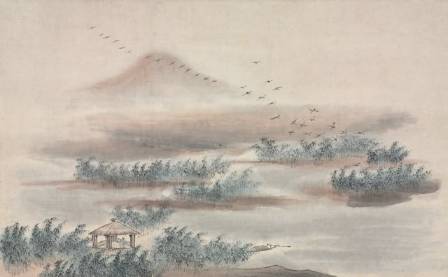
Modern Developments and Global Reach
In the 20th century, artists like Qi Baishi modernized ink painting, infusing whimsy into traditional subjects like shrimp and flowers. Hong Kong’s New Ink Movement, led by Lui Shou-kwan, merged Eastern and Western aesthetics through abstraction. Today, Chinese ink art is displayed worldwide, from the British Museum to the Louvre, and contemporary artists like Xu Bing experiment with digital ink techniques, keeping the tradition alive and evolving.
Techniques and Styles in Chinese Ink Wash Painting
Learning the fundamentals of ink painting enhances appreciation and enables hands-on practice. The following essentials cover tools, techniques, and advanced methods.
The Four Treasures of the Studio
Central to ink painting are the “Four Treasures”: brush, ink, paper, and inkstone. Brushes range from soft wolf-hair for subtle washes to stiff bristles for bold lines. Rice paper absorbs ink naturally, creating organic textures, while inkstones are used to grind pine soot ink sticks to control the intensity of black and gray tones. Knowledge of these tools, detailed in classical works like Tang Hou’s Treatise on Painting, helps beginners select quality supplies in markets such as Beijing’s Liulichang.
Fundamental Brushwork
Brush techniques in Chinese painting rely on the “bone method,” where strokes convey both structure and energy. Core strokes include the entering stroke to begin a line, the moving stroke for flow, and the exiting stroke to finish. Varying pressure can produce textures like the “hemp-fiber stroke” for rugged surfaces or the “orchid-leaf stroke” for elegant curves. Beginners often start by practicing bamboo leaves before progressing to full landscapes.
Gongbi and Xieyi Styles
Ink painting has two main styles: gongbi, a meticulous technique with fine lines and delicate color for realistic detail, and xieyi, a freehand approach capturing essence with minimal strokes. Gongbi was favored in imperial courts for flowers and portraits, while xieyi, exemplified by the Eight Eccentrics of Yangzhou, emphasizes mood over realism. Both styles embrace the concept of “leaving blank space,” inviting viewer interpretation.
Advanced Techniques and Calligraphy
For more advanced practice, techniques such as splashed ink for abstract effects or layered washes for depth can be explored. Integrating calligraphy, often in the form of poems by masters like Su Shi, adds narrative richness. Examining Yuan dynasty scrolls demonstrates how painting and writing interact, enhancing understanding during museum visits.
Hands-On Experiences in Chinese Ink Painting
Engaging in ink painting activities transforms passive observation into creative participation, leaving lasting memories and personal artworks.
Workshops for Beginners
In Beijing, tours combine visits to the Forbidden City with two-hour ink painting classes, covering ink grinding and basic landscapes, typically costing 200–300 CNY, with English instruction for foreign visitors. Shanghai’s InkMoon Workshop near Jing’an Temple offers intimate sessions on floral painting, providing all materials and tea, allowing participants to complete pieces to take home.
Immersive Retreats
For extended learning, the China Academy of Art in Hangzhou hosts multi-day workshops teaching the Eight Basic Strokes amid scenic views of West Lake. These programs include lectures and critiques, suitable for all skill levels.
Tips for Workshops
Wear clothing suitable for ink spills and bring a notebook for notes. Many studios provide photos of participants’ work, and reflecting on the meditative nature of the process enriches the experience.
Top Destinations for Ink Painting Enthusiasts
Many Chinese landscapes inspired famous paintings, offering travelers the chance to see scenes firsthand.
Huangshan and Guilin
Huangshan’s jagged peaks and pine trees, featured in Anhui school paintings, can be explored via Beihai Scenic Area trails. Autumn provides clear skies and optimal visibility. Guilin’s Li River showcases iconic karst formations; bamboo raft tours and Yangshuo countryside excursions allow intimate exploration of rice terraces.
Beijing and Shanghai Museums
Beijing’s National Museum houses Song dynasty works with guided explanations. Liulichang Street nearby sells authentic brushes, ink, and paper. Shanghai Museum’s ink collection spans the Ming and Qing eras, with free weekday entry, complemented by scenic Bund walks.
Hidden Gems: Hongcun and Sanqing Mountain
Hongcun’s moon pond and arched bridges evoke Hui school aesthetics, best visited early morning. Sanqing Mountain offers cable cars to Taoist temples and rock formations, with trails inspiring personal sketches.
Travel Planning Advice
Reserve popular sites in advance via apps like Ctrip, consider guided tours for context, and pack layers for changing weather. These locations combine artistic history with photographic opportunities to create “ink-inspired” memories.
The Enduring Charm of Chinese Ink Painting
From the peaks of Huangshan to the intimacy of a studio workshop, Chinese ink painting blends history, technique, and natural beauty into a timeless art form. For travelers, experiencing this tradition provides insight into China’s cultural soul. Whether visiting iconic landscapes or participating in a class, the world of Chinese ink painting invites you to pick up a brush and contribute to its legacy.
अगला सहारा
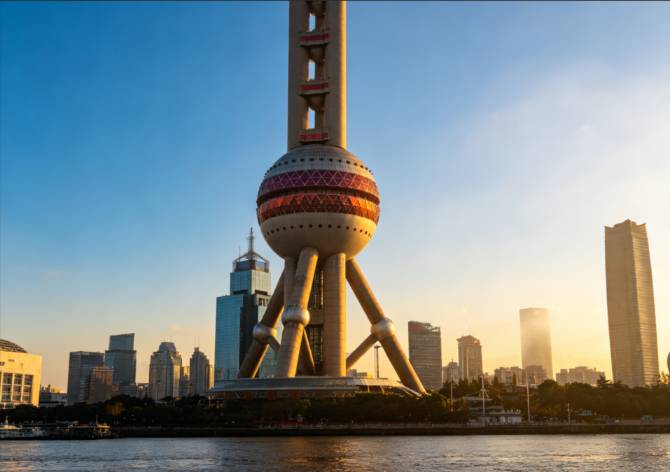
Oriental Pearl Radio & TV Towe
Sophia Claire Lewis

7 Lesser-Known Advantages of Dumbbell Workouts
James
पेड़ को फिर से हाइड्रेट कैसे करें: पानी की कमी वाले पेड़ को ठीक करना
गगन

स्मार्ट होम क्या है? वो सब कुछ जो आपको जानना चाहिए
ईशा

अपने सपनों का घर बनाना: शुरुआत करने के लिए 10-चरणीय गाइड
कायरा
महिलाओं के लिए आदर्श घड़ी चुनने के लिए एक व्यापक मार्गदर्शिका
हरिदास अर्जुन कार्की