धीरे-धीरे पढ़ें
The Invisible Perfume Factory Hidden Inside Every Meerkat
Imagine a meerkat standing in the South African sunshine. It gazes across the horizon with dark eyes. It lowers its tiny body and rubs against a rocky surface. It looks like a simple stretch or a scratch. It is actually something much more complex. The animal leaves a message behind in the scent. The true authors of this note are tiny bacteria living within its body. Biologists have long understood that these animals use scent to communicate. They mark bushes and rocks to define their territory. They show their breeding status and social dominance this way. Science has only recently uncovered why these smells are so distinct and diverse. The answer lies in the microscopic world of living bacteria.
Hamilton Adrian
रचनाकार
याद रखें
नीचे पूरी रचना पढ़ें और अपने लिए उपयोगी बात चुनें।
अनुभाग
सकारात्मक विचार
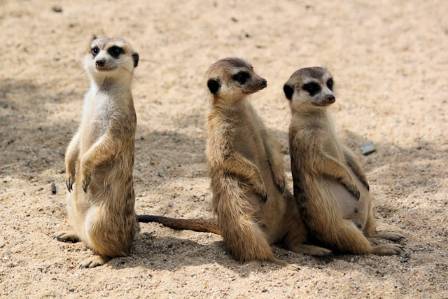
Imagine a meerkat standing in the South African sunshine. It gazes across the horizon with dark eyes. It lowers its tiny body and rubs against a rocky surface. It looks like a simple stretch or a scratch. It is actually something much more complex. The animal leaves a message behind in the scent. The true authors of this note are tiny bacteria living within its body. Biologists have long understood that these animals use scent to communicate. They mark bushes and rocks to define their territory. They show their breeding status and social dominance this way. Science has only recently uncovered why these smells are so distinct and diverse. The answer lies in the microscopic world of living bacteria.
Researchers studied wild animals in the South African wilderness. These creatures are familiar with humans. The scientists wanted to solve a mystery of animal behavior. They knew different animals possessed different odors. They knew those scents carried vital social information. They wanted to prove that gut bacteria actively produced these smells. The researchers needed to collect samples directly from the creatures. This task was quite difficult. They had to gather material from scent glands near the base of the tails. These glands produce a paste that the animal rubs on surfaces. The paste passes through a pouch before reaching the outside world. It mixes with bacteria and other substances inside this pouch. Scientists needed to compare samples from the gland and the pouch to see the changes.
The animals were surprisingly tolerant of the researchers. The team worked quickly and carefully during the collection. They understood that mistakes could ruin their results. They also wanted to avoid causing stress to the creatures. The scientists analyzed the chemical makeup of the paste back in the laboratory. They identified the specific bacteria present in each sample. The findings were incredible. They discovered variation in the bacterial communities between individuals and sexes. Females tended to carry one specific type of bacterium. Males were more likely to harbor higher levels of a different group. These distinct bacterial groups degraded chemicals in the scent paste differently. This process created unique odor molecules.
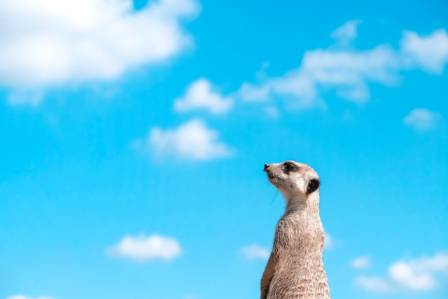
This was not a random coincidence of living in the same place. The bacteria were busy altering the smell of the paste. They transformed a plain secretion into a personal signature. Every animal possessed its own personal perfume factory. Microorganisms added layers and notes that the animal could never create alone. This finding changed how scientists view animal communication. Most mammals rely on scent to interact with others. This includes wolves, hyenas, and domestic pets. The fact that bacteria contribute to these smells opens new doors for research. Animals might be able to change their scent profiles by altering their bacterial colonies. This process is similar to how humans change body odor through diet.
The researchers also found that male bacterial communities were more diverse. Males move between colonies more frequently than females do. They encounter different environments and microbes during these travels. A male might pick up new bacteria on the road. This could allow him to change his scent. He might blend in with a new group or warn off rivals. The study revealed hidden details about their social lives. Scent profiles of dominant animals differed from those of subordinates. These differences were linked directly to the bacteria they carried. A meerkat reading a scent mark on a rock learns more than just a name. It reads a detailed chemical message about sex and rank. It even identifies the specific individual involved. All this data is encoded in molecules produced by invisible bacteria.
None of this is strange for these animals. They have left scent messages for thousands of generations. They did this without realizing their bacterial partners were involved. Humans are only now beginning to understand this invisible collaboration. The findings lead to fresh questions. Scientists do not yet know how the animals interpret these smells. They do not know what information each whiff conveys. They do not know if the animals can intentionally shift their bacterial makeup. Future studies will require more time and patient field observation. The natural world is far more interconnected than it seems. An animal rubbing against a rock is not acting alone. It is teaming up with microscopic helpers. They add to a message meant to be read days later. Communication in the animal world is never as simple as it looks.
अगला सहारा

The Life-Changing Value of Exploring the World
Gavin Hughes
अपने स्कार्फ को अपनी अलमारी के साथ मैच करने की कला
कुसुम लांबा

Do Old TV Antennas Still Work in the Digital Age?
Henry

सर्वश्रेष्ठ पर्वत श्रृंखलाओं में से 11
नीरज
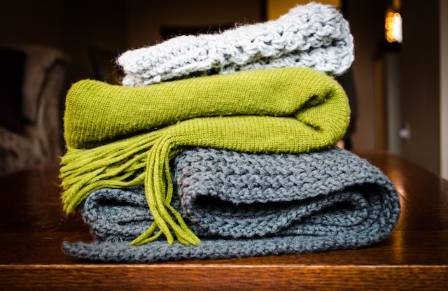
Selecting a Timeless Scarf: A Guide for Personal Use or Gift Giving
Nicholas Andrew Pembroke

विदेश यात्रा क्यों महत्वपूर्ण है
ऋषि