धीरे-धीरे पढ़ें
The Lotus Flower - A symbol of beauty and transformation
The lotus flower, known as hasu in Japan, rises gracefully from muddy pond water and produces impressive pink or white blossoms. These delicate flowers bloom during the hottest months of July and August, but each blossom lasts for only around four days. The flowers open in the early morning when the sun rises and gradually close as the afternoon arrives, appearing as if they are resting after their brief display of beauty.
Everett Collins
रचनाकार
याद रखें
नीचे पूरी रचना पढ़ें और अपने लिए उपयोगी बात चुनें।
अनुभाग
सकारात्मक विचार
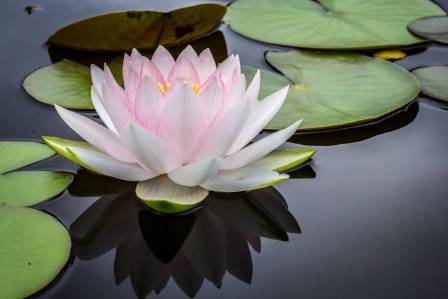
The lotus flower, known as hasu in Japan, rises gracefully from muddy pond water and produces impressive pink or white blossoms. These delicate flowers bloom during the hottest months of July and August, but each blossom lasts for only around four days. The flowers open in the early morning when the sun rises and gradually close as the afternoon arrives, appearing as if they are resting after their brief display of beauty.
Despite its short flowering period, the lotus has a powerful presence. Its fragrant blossoms, floating leaves, and elegant appearance have made it one of the most admired plants in Japanese culture.
The Symbolism of the Lotus Flower
Because the lotus grows from deep mud yet produces pure and beautiful flowers, it has long represented spiritual transformation, rebirth, and enlightenment. Its strong roots and brief blossoms reflect the idea of life’s continuous cycle, while its clean flowers rising above muddy water symbolize the ability of every person to overcome difficulties and achieve a higher state of being.
The round leaves and pointed petals also represent the endless movement of existence. Lotus seeds are traditionally used as Buddhist prayer beads, and some ancient seeds have successfully sprouted even after being preserved for nearly 2,000 years.
The Connection Between Lotus and Buddhism
The relationship between the lotus and Buddhism began in India, where the famous Lotus Sutra (Hokke-kyo) played an important role in Buddhist teachings. The scripture sought to bring together different Buddhist traditions by emphasizing that sincere faith and devotion could guide anyone toward spiritual salvation.
After Buddhism spread to Japan, various schools including Jodo, Shingon, Tendai, and Nichiren Buddhism embraced the teachings of the Lotus Sutra. The flower became deeply connected with Buddhist art, philosophy, and religious symbolism.
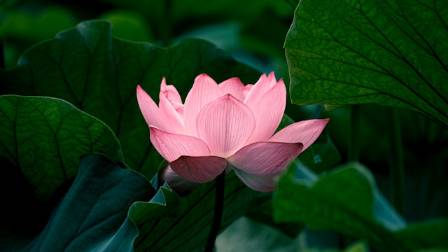
Lotus Flowers in Japanese Buddhist Art
Many Buddhist statues are placed on fully opened lotus blossoms, especially representations of Amida Buddha, the Buddha of the Western Paradise. Famous examples can be found at temples such as Byodo-in Temple in Uji and Todai-ji Temple in Nara.
The Bodhisattva Kannon, the Buddhist figure associated with compassion, is also frequently shown standing on a lotus flower or holding lotus blossoms in her hands. Visitors can see examples of this imagery at Sanjusangen-do Temple.
According to Buddhist beliefs, those who enter paradise are able to rest upon lotus thrones. Because of this symbolism, many lovers separated by fate have imagined that they could reunite on the same lotus flower after death.
The Lasting Beauty and Uses of the Lotus
The lotus remains attractive even after its petals disappear. Its unique seed pod has a fascinating honeycomb-like structure, while its large round leaves maintain their rich green color throughout the season.
Beyond its spiritual and decorative value, the lotus also has practical uses in Japanese cuisine. The roots, known as renkon, are edible and commonly appear in traditional dishes, bento lunch boxes, and fried tempura preparations.
Through its beauty, symbolism, and usefulness, the lotus continues to hold a special place in Japanese nature, culture, and everyday life.
अगला सहारा

जापान में 9 सबसे प्रसिद्ध स्थल
धर्मेंद्र

रहने की जगह की ज़रूरतें और खासियतें
यामिनी

Oriental Pearl Radio & TV Towe
Sophia Claire Lewis

The Top 10 Photographs of Marilyn Monroe
Claire

हरे सेब: पोषण, 3 फायदे और चयन कैसे करें
कुमुद

Top 10 Most Legendary Matches in Tennis History
Janes