धीरे-धीरे पढ़ें
How to Build an Elegant Chinese-Style Tea Room
A Chinese tea room serves as a serene retreat, emphasizing simplicity, harmony, and refined beauty. Inspired by the philosophy of slow living, it provides a space for relaxation, tea appreciation, and a return to inner calm.
Celia Scott
रचनाकार
याद रखें
नीचे पूरी रचना पढ़ें और अपने लिए उपयोगी बात चुनें।
अनुभाग
सकारात्मक विचार
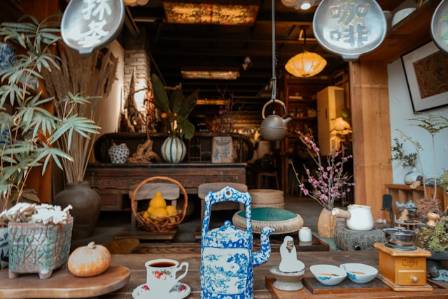
A Chinese tea room serves as a serene retreat, emphasizing simplicity, harmony, and refined beauty. Inspired by the philosophy of slow living, it provides a space for relaxation, tea appreciation, and a return to inner calm.
Whether you have a dedicated room in a spacious house or a quiet corner in a small apartment, designing a refined Chinese tea space follows certain guiding principles. By blending natural materials, careful layouts, tea ceremony aesthetics, and functional furniture, you can create a room that balances traditional culture with modern convenience. This guide combines the key aspects of Chinese tea rooms, tea table placement, tea set selection, soft furnishings, and practical design tips to help you build a timeless space that is both ceremonial and inviting.
1. Key Aesthetic Principles of a Chinese Tea Room
Respectful Hierarchy and Order
Chinese tea rooms reflect the importance of etiquette. Seating arrangements follow traditional rules: the host, main guest, and additional guests sit in designated positions, creating a structured, respectful atmosphere. Symmetry and clarity of layout reinforce the ceremonial quality of hospitality.
Minimalism and Artistic Simplicity
Embodying the philosophy of “less is more,” the space avoids clutter. The tea table remains the focal point with open surfaces, and surrounding furniture is minimal. This ensures smooth tea preparation and movement, fostering a calm, elegant ambiance.
Natural Materials and Harmony
Traditional tea rooms favor wood, bamboo, stone, linen, and ceramics. These materials enhance the tactile warmth and visual serenity of the space, reflecting the tea ceremony’s emphasis on peace, simplicity, and balance between humans and nature.
Practical Elegance
Functionality is integrated with aesthetics. Tea sets and accessories are arranged to follow the brewing process, making rituals smooth and practical while maintaining ceremonial charm.
2. Selecting the Right Location
Tranquility is essential. A tea room does not need to be a separate space—it can be any quiet, light-filled corner away from noise.
Ideal locations include bay windows, balconies surrounded by plants, study rooms, spare bedrooms, or uncluttered living room corners. Natural light is especially important, highlighting the textures of porcelain and Yixing clay, enhancing the tea’s color, and warming the space.
3. Choosing and Arranging the Tea Table
The tea table is the heart of the room, both for functionality and style. In Chinese tradition, it is distinct from dining tables and reflects cultural significance.
Materials and Styles
Wood: Solid elm, walnut, or mahogany for durability and warmth
Bamboo: Fresh, natural, and rustic
Finishes: Soft natural tones like tan and brown complement the serene environment
Popular Styles
Kung Fu Tea Table: Functional with drainage, water trays, and dedicated storage for tea sets
Minimalist Zen Table: Simple lines, low profile, ideal for small or contemporary spaces
Bamboo Table: Rustic charm, creating a relaxed, meditative setting
Size Guidelines
Small rooms (5–10㎡): Tables 1.2–1.5m, suitable for 1–3 people
Medium rooms (10–20㎡): Tables 1.6–2m, seating 4–6
Large rooms: Tables over 2m for formal gatherings
Layout Principles
Place the table centrally, backed by a solid wall, facing the entrance. Seating follows etiquette: the host at the center, honored guests to the left, and others arranged symmetrically. Surrounding cabinets or shelves store tea accessories while maintaining open space for smooth movement.
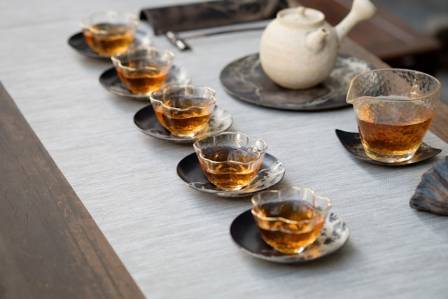
4. Tea Set Selection and Placement
Tea sets are the soul of the ceremony. Proper materials enhance flavor and aesthetics.
Essential Components
Main brewer (covered bowl or Yixing teapot)
Fairness pitcher
Tea strainer
Teacups
Tea tray
Six tools for brewing
Tea towel
Material Choices
Porcelain: Highlights tea color, ideal for green, white, or scented teas
Yixing clay: Absorbs aroma, perfect for oolong, pu-erh, or black tea
Earthenware: Rustic texture, good heat retention, versatile for all teas
Arrangement
Center the tea tray on the table
Place the main brewer near the host
Fairness pitcher and strainer to the right
Cups arranged symmetrically
Tools stored neatly; only essentials on the table
5. Colors and Soft Furnishings
Color Palette
Use calm, earthy tones: walnut brown, bamboo beige, charcoal gray, warm white, soft gray, pale green. This creates a balanced, relaxing environment.
Accents and Decor
Walls: Calligraphy or ink paintings
Table: Vases, small plants, tea pets, stone ornaments, incense burners
Textiles: Linen table runners in muted colors soften the wood’s look
Natural elements like plants, rocks, and flowing water enhance tranquility and connection to nature.
Seating and Lighting
Choose comfortable natural seating such as low wood chairs, rattan, benches, or tatami mats. Warm, soft lighting focused on the table enhances serenity and highlights the tea set.
6. Common Mistakes
Overcrowding with ornaments, plants, or furniture
Using cheap or synthetic materials that clash with natural textures
Poor lighting or table-to-space ratios
Cluttered tea set arrangements
7. Integrating the Tea Room into Daily Life
A tea room’s purpose is for daily use and mindfulness. Start the day with tea, meditate, read, or host quiet gatherings. Regular use keeps the space alive.
Maintenance is simple: wipe spills, reset tea sets, and ventilate to protect furniture. Over time, the tea room grows more refined and inviting.
In essence, a Chinese tea room is not about lavish decoration or expensive items. A simple table, elegant tea set, muted colors, and touches of nature create an authentic space. Whether large or small, this sanctuary encourages calm, reflection, and the enjoyment of tea as a mindful ritual.
अगला सहारा
प्रसिद्ध फ्रेंच मैकरॉन के बारे में रोचक खोजें
इशिता मेहतानी

Selecting a Timeless Scarf: A Guide for Personal Use or Gift Giving
Nicholas Andrew Pembroke

Top Fascinating Cheetah Facts
Charlie Davies

The Spectacular Rise of Tesla From Groundbreaking Innovations to Massive Corporate Headaches
Ethan Wallace

How to Style a Varsity Jacket: 5 Versatile Looks for Every Occasion
Noah Anderson

What Are Nebulae And How Are They Formed?
Grace Bennett